
 简体中文
 English
 Español

News
Why a Four-Sided Sushi Display Refrigerator Is Essential for Modern Food Retail
Freshness, visibility, temperature stability, and presentation are central to the success of any sushi counter, restaurant, supermarket, convenience store, or specialty food shop. Customers want to see the products before making a purchase, while operators need reliable refrigeration that protects food quality throughout the business day. A well-designed sushi display refrigerator brings these two requirements together by creating an attractive presentation area and a controlled cold environment.
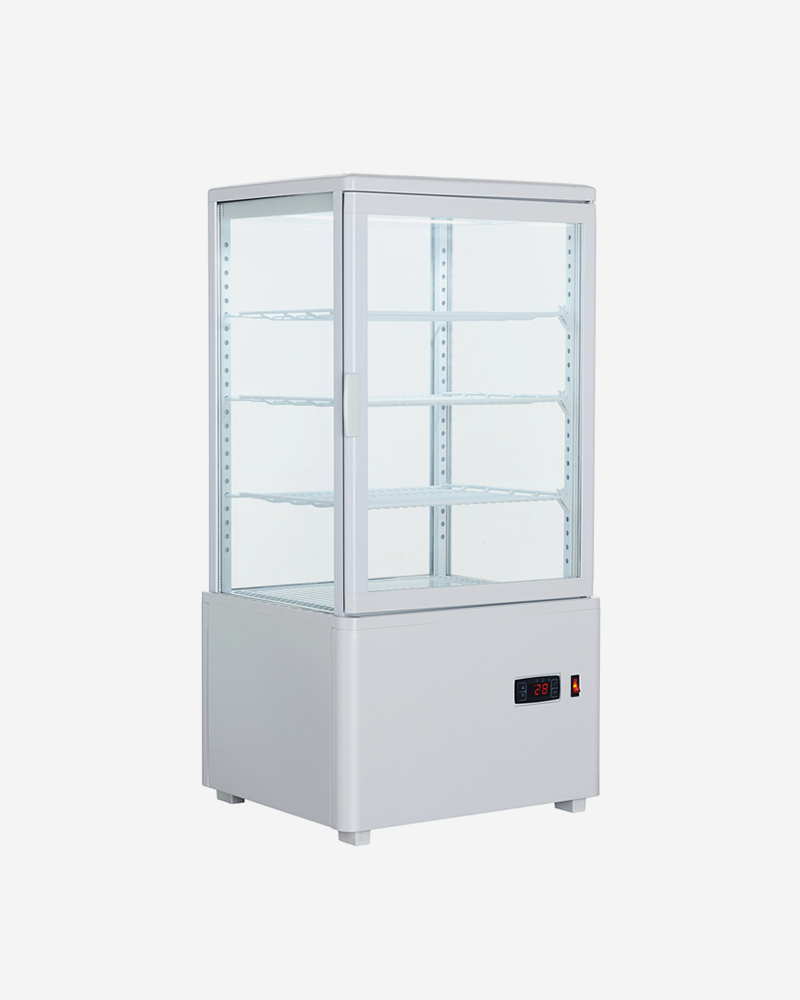
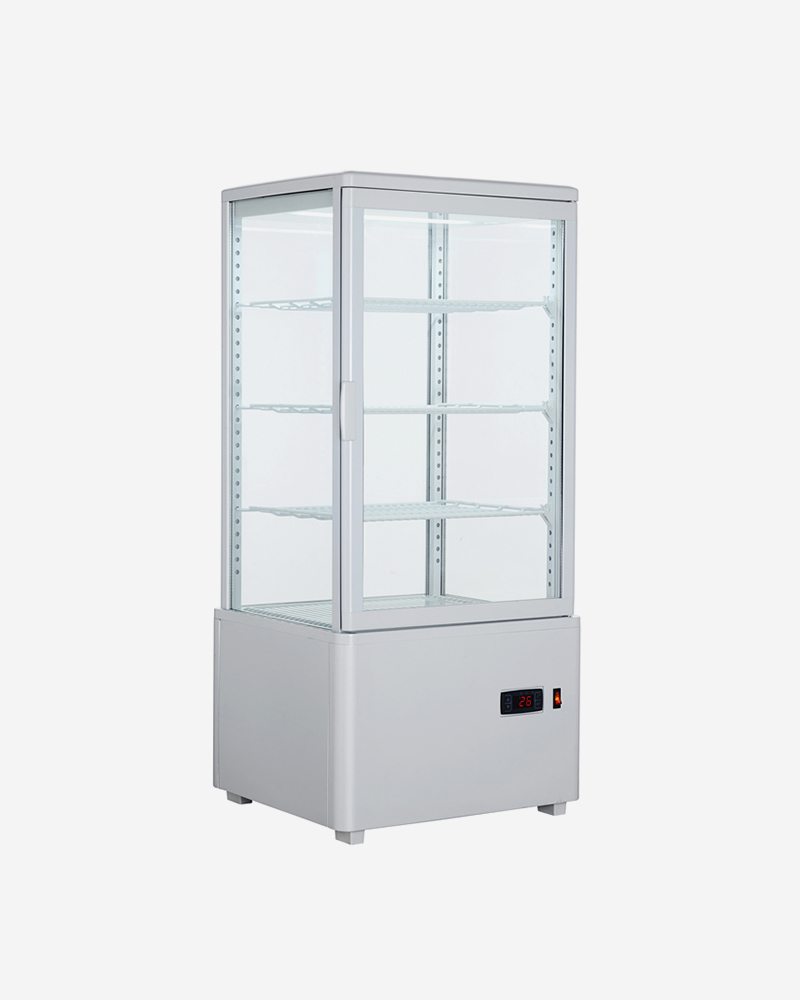
The XCS-62L Sushi Display Refrigerator Sushi Showcase is designed for businesses that need to present sushi and other chilled foods in a professional, accessible, and visually appealing way. Its configuration combines top and bottom evaporators, a water channel beneath the top evaporator, internal LED lighting, digital temperature control, direct cooling, and automatic defrost. These features support consistent operation while helping food operators maintain a clean, organized, and inviting display.
Unlike ordinary refrigerated storage equipment, a sushi showcase is also a merchandising tool. It allows customers to view products clearly, compare selections, and make purchasing decisions quickly. For operators, the refrigerator can help turn the front counter into a productive sales area rather than using valuable space only for back-of-house storage.
This article examines the main features and advantages of the XCS-62L, explains how its refrigeration design supports sushi presentation, and discusses the manufacturing capabilities behind the product. It also considers how professional production management, research and development, testing, certification, and customer service contribute to dependable commercial refrigeration equipment.

Sushi Display Refrigerator Sushi Showcase
Designed for Sushi Presentation and Daily Commercial Use
Sushi is a visually sensitive food category. Color, texture, arrangement, and freshness all influence customer confidence. Even high-quality sushi can appear less appealing if it is poorly illuminated, crowded into an unsuitable cabinet, or displayed in an environment with unstable temperature control. A dedicated sushi showcase provides a more suitable solution than a standard refrigerator because it is designed around both product preservation and customer presentation.
The XCS-62L is intended for use as a sushi display refrigerator and showcase. Its display-oriented format makes it suitable for sushi restaurants, Japanese restaurants, food courts, supermarkets, delicatessens, takeaway counters, hotel food outlets, and other retail environments where chilled prepared foods must remain visible.
The product is especially useful where purchasing decisions happen at the counter. Customers can view the selection without opening a door or asking staff to retrieve products from an enclosed storage unit. This creates a more direct connection between the food and the buyer. It may also help improve service speed during busy periods because employees can identify products and replenish the display more efficiently.
For operators, a dedicated display refrigerator can support several important business objectives:
First, it can create a professional visual presentation. A neat, illuminated display gives the counter a more organized appearance and can reinforce the impression that food is handled carefully.
Second, it can support product rotation. When food is presented in an accessible and visible cabinet, employees can more easily monitor quantities, rearrange products, and apply internal stock-control procedures.
Third, it can improve customer communication. The display itself allows customers to see portion styles, colors, ingredients, and product variety before ordering.
Fourth, it can make better use of limited commercial space. A countertop or front-counter showcase can perform both refrigeration and merchandising functions without requiring a separate presentation area.
Core Refrigeration Features
Top and Bottom Evaporators
One of the standard features of the XCS-62L is its combination of top and bottom evaporators. This arrangement is important because the interior of a display refrigerator may contain products at different positions and depths. A refrigeration system that distributes cooling from more than one location can support a more balanced cold environment throughout the cabinet.
The top evaporator contributes cooling from above, while the bottom evaporator supports cooling from below. This design can help reduce the possibility of uneven temperature zones that may occur when cooling is concentrated in only one area. For sushi and similar chilled products, balanced refrigeration is valuable because it supports a more consistent holding environment for items arranged across the display area.
The use of both top and bottom evaporators also reflects a product design focused on the practical requirements of food presentation. The cabinet must remain visually open and usable while still providing effective refrigeration. Instead of relying only on a single cooling source, the system uses two evaporator positions to support the cabinet’s overall thermal performance.
Temperature performance in any commercial refrigerator depends on many factors, including ambient conditions, loading practices, product temperature at the time of loading, door or opening conditions, maintenance, and operating settings. Even so, the dual-evaporator configuration provides a strong structural basis for stable display refrigeration when the equipment is used correctly.
Water Channel Under the Top Evaporator
The XCS-62L also includes a water channel under the top evaporator. This feature is designed to manage water produced during refrigeration operation and defrosting. Effective water management is an important but sometimes overlooked part of commercial refrigerator design.
Moisture can form when warm air enters the cabinet, when condensation develops, or when frost is removed from the evaporator. If water is not directed properly, it may collect in undesirable areas, affect cleanliness, or create additional maintenance work. A dedicated water channel helps guide moisture away from the display area and supports a more orderly internal structure.
For food businesses, practical drainage and water control can contribute to easier cleaning routines. Employees can inspect the relevant areas, remove residue, and maintain the cabinet according to the company’s sanitation procedures. Good water management also helps protect the visual quality of the showcase by reducing the risk of unwanted droplets or standing moisture near displayed products.
This feature works together with automatic defrost. When defrosting takes place, the resulting water needs a controlled path. The water channel provides a purposeful route beneath the top evaporator, helping the refrigerator complete its defrost cycle in a more organized manner.
Direct Cooling System
The refrigerator uses a direct cooling system. In direct cooling equipment, the refrigeration structure is designed to transfer cooling directly through the relevant cabinet surfaces or cooling components. This approach is widely used in compact and display-oriented refrigeration equipment because it can provide a straightforward system architecture.
A direct cooling system may be particularly suitable for sushi showcases because the cabinet is intended to maintain chilled products in a relatively organized display area rather than operate as a large warehouse-style cold room. The design can support efficient cooling within the cabinet while avoiding unnecessary system complexity.
Direct cooling also works well with the product’s dual-evaporator arrangement. Cooling is delivered through carefully positioned evaporator components, helping the cabinet provide refrigeration where it is needed. As with all commercial refrigeration systems, performance depends on installation, operating conditions, loading, cleaning, and regular maintenance.
From a service perspective, a straightforward refrigeration architecture can be beneficial. Equipment with clearly defined cooling components may be easier for trained technicians to inspect and maintain. Operators can also understand the basic function of the system more easily, which supports better daily operating discipline.
Automatic Defrost
Automatic defrost is another standard feature of the XCS-62L. In a refrigerated display cabinet, frost can gradually accumulate on evaporator surfaces. Excessive frost may reduce heat-transfer efficiency, restrict airflow, increase energy demand, and make maintenance more difficult. Automatic defrost helps manage this issue by periodically removing accumulated frost without requiring staff to shut down the unit and complete the process manually.
For busy food businesses, automatic defrost can save labor and reduce interruptions. Staff members can focus on food preparation, customer service, replenishment, and cleaning instead of carrying out frequent manual defrosting procedures. The feature also supports more consistent equipment operation over time.
Automatic defrost should not be viewed as a replacement for cleaning or preventive maintenance. Employees still need to inspect the cabinet, keep drainage areas clear, remove food residue, and follow the manufacturer’s operating recommendations. However, automatic defrost provides an important layer of convenience and operational stability.
Clear and Effective Product Merchandising
A sushi showcase must do more than keep food cold. It must make the products look appealing. The XCS-62L is designed as a display refrigerator, which means visibility is an essential part of its purpose.
A well-organized refrigerated display can help customers understand the available selection without lengthy explanations. Sushi pieces, rolls, side dishes, desserts, and other chilled foods can be arranged in a way that emphasizes variety and freshness. Clear product visibility may also help reduce hesitation at the point of purchase.
For restaurants, visual presentation can support menu promotion. Operators may use the showcase to highlight popular combinations, seasonal products, premium items, or ready-to-go selections. For supermarkets and convenience stores, the display can encourage impulse purchases by placing attractive products in a highly visible area.
The product can also help create a consistent brand experience for the food business using it. Although the refrigerator itself is a piece of equipment, its appearance and presentation influence how customers perceive the entire counter. A clean, illuminated, and well-maintained showcase can reinforce an impression of professionalism.
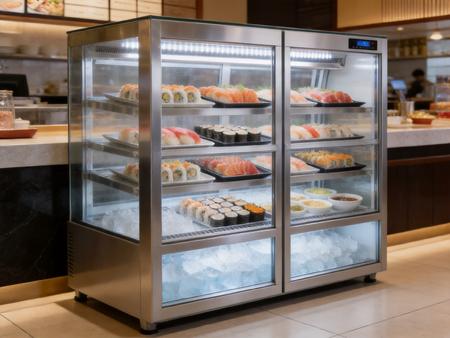
Internal LED Lighting for Better Visibility
The XCS-62L includes an internal top LED light. Lighting is one of the most important presentation features in a refrigerated showcase because food appearance can change significantly depending on how it is illuminated.
Internal LED lighting helps make displayed products easier to see. Customers can identify colors, shapes, fillings, toppings, and portion arrangements more clearly. This is especially useful for sushi, where visual detail often plays a major role in customer selection.
LED lighting is also suitable for commercial display applications because it can provide bright illumination in a compact format. The top-mounted position allows light to reach the display area while maintaining a clean internal arrangement. Properly positioned lighting can reduce dark areas and make the entire selection appear more coherent.
Better visibility can benefit staff as well as customers. Employees can inspect product arrangement, identify low-stock areas, check packaging condition, and monitor the general appearance of the display more easily. This can support faster replenishment and more consistent presentation throughout the day.
Lighting performance should be supported by regular cleaning. Dust, condensation, and food residue can reduce visible brightness. Operators should follow appropriate cleaning procedures and avoid using methods that could damage electrical components.
Digital Thermostat and Display
The XCS-62L is equipped with a digital thermostat and display. Digital controls provide a clearer way to monitor and manage the operating temperature than systems based only on mechanical adjustment or visual estimation.
A digital display allows employees to see the current setting or operating information at a glance. This can improve daily control because staff do not need to guess whether the cabinet is working within the required range. Managers can also establish internal procedures for checking the display at scheduled intervals.
The digital thermostat supports more precise temperature management. Different foods and operating environments may require careful control, and digital adjustment gives operators a more direct interface for setting the refrigerator according to their food-safety procedures and product requirements.
Temperature control is particularly important for sushi because many products contain ingredients that require chilled storage. Maintaining the correct temperature helps support product quality and reduces the risk associated with poor refrigeration practices. The equipment itself is only one part of food safety, so operators must also control preparation time, loading, handling, cleaning, and stock rotation.
The display can contribute to preventive management as well. If the temperature changes unexpectedly, employees may notice the issue sooner and investigate possible causes such as overloading, blocked air paths, a dirty condenser, a door or opening problem, or an environmental change.
Advantages Compared with General-Purpose Refrigerators
Businesses sometimes attempt to use general-purpose refrigerators for sushi presentation. Although such equipment may provide basic cold storage, it may not offer the same combination of visibility, merchandising value, and display-focused organization.
The XCS-62L has several advantages when compared with a basic storage refrigerator.
Purpose-built presentation: A sushi showcase is designed to place food where customers can see it. A conventional refrigerator may conceal products behind opaque doors or inside storage compartments.
Improved customer access to information: Customers can evaluate the appearance and variety of products without opening the refrigerator or relying entirely on staff descriptions.
Dedicated display lighting: Internal LED lighting highlights the product selection and can create a more attractive counter presentation.
More suitable refrigeration distribution: The top and bottom evaporator arrangement is intended to support cooling throughout the display area rather than concentrating refrigeration in a single location.
Digital operating control: The digital thermostat and display make temperature monitoring more direct and visible.
Reduced manual defrost work: Automatic defrost can simplify routine operation compared with equipment that requires frequent manual defrosting.
Better use of front-of-house space: The showcase can function as both refrigeration equipment and a sales presentation unit.
Compared with low-cost display cabinets that may use simpler internal designs, a product with dual evaporators, controlled water management, automatic defrost, and digital temperature monitoring offers a more complete commercial solution. The value is not limited to the purchase price. It also includes labor convenience, product visibility, operating control, and the ability to support a professional customer-facing environment.
Advantages Compared with Basic Display Cases
Some display cases are designed primarily for appearance, with limited attention to temperature management or maintenance convenience. A refrigerated sushi showcase must balance appearance with practical food-holding performance.
The XCS-62L addresses this balance through several integrated features. The internal LED light improves visibility, while the digital thermostat provides operating information. The evaporator arrangement supports refrigeration distribution, and automatic defrost reduces the need for manual intervention. The water channel supports moisture management under the top evaporator.
These features can help distinguish the refrigerator from display equipment that offers visibility but lacks a comprehensive refrigeration design. In a commercial kitchen or retail environment, equipment reliability and ease of use are as important as appearance. A cabinet that looks attractive but is difficult to maintain may create unnecessary labor and product-management challenges.
The XCS-62L is also suitable for businesses that want a clear separation between food display and general cold storage. By using a dedicated showcase for customer-facing products, operators can reserve larger storage refrigerators for back-of-house inventory. This division can improve organization and help maintain a more orderly workflow.
Operational Benefits for Different Businesses
Sushi Restaurants
In a sushi restaurant, the showcase can be positioned near the ordering counter, takeaway area, or service station. It can display ready-made sushi, side dishes, or premium selections while keeping products chilled. The visible arrangement can support faster ordering and help customers understand the available choices.
Restaurants may also use the cabinet to support peak-period service. During lunch, dinner, or takeaway rushes, a visible display can reduce the time required to explain every product individually. Staff can direct customers to the showcase while continuing other service tasks.
Supermarkets
Supermarkets often require refrigeration equipment that combines product protection with strong retail presentation. A sushi showcase can be placed in a prepared-food area, near a deli counter, or within a specialty food section. Internal LED lighting and open product visibility can help the cabinet attract attention in a larger retail environment.
The digital temperature display can also help supermarket employees include the unit in routine equipment checks. Clear operating information supports store-level monitoring and maintenance records.
Convenience Stores
Convenience stores depend on speed and product accessibility. A display refrigerator can present ready-to-eat sushi and chilled meals in a way that allows customers to make quick decisions. Automatic defrost and straightforward digital control may reduce the amount of attention required from employees who are managing many other store tasks.
Hotels and Catering Operations
Hotels, buffet restaurants, and catering facilities can use a sushi showcase to present prepared foods in a controlled and attractive manner. The unit may be useful for breakfast areas, banquet service, event counters, or specialty food stations. Its display function can help maintain a more organized service environment while supporting chilled product presentation.
Food Courts and Takeaway Counters
Food courts and takeaway counters often have limited space and high customer turnover. A display refrigerator that combines refrigeration and merchandising can help make the most of the available counter area. Customers can see the selection quickly, while staff can replenish products without moving customers through a separate storage area.
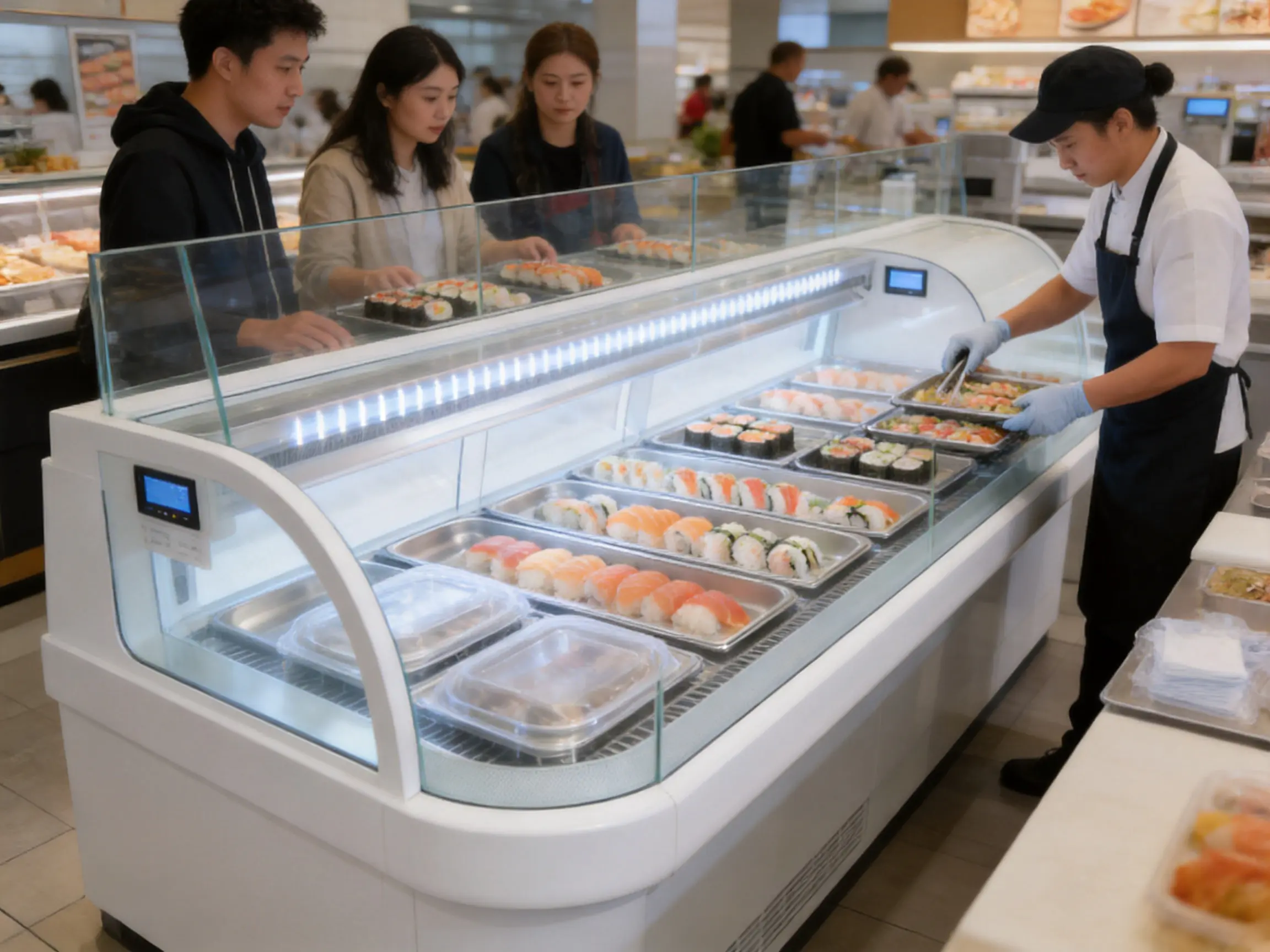
Manufacturing Strength and Product Development
The quality of a commercial refrigeration product depends not only on its listed features but also on the manufacturing system used to design, assemble, test, and improve it. The manufacturer of the XCS-62L has operated since 2007 and specializes in vertical display cabinets, cake cabinets, warming cabinets, and related commercial refrigeration equipment.
The company operates a modern management garden factory covering approximately 40,000 square meters. This scale provides a substantial foundation for organized production, component management, assembly operations, quality control, and product development. A dedicated manufacturing site can help coordinate multiple stages of production more efficiently than a fragmented supply arrangement.
The company also has its own professional research and development team. In commercial refrigeration, product development requires cooperation between refrigeration engineering, cabinet design, electrical control, thermal performance, manufacturing processes, safety requirements, and user needs. An internal R&D capability allows the manufacturer to study these areas as part of a continuous product improvement process.
Advanced testing facilities are another important strength. Refrigeration equipment must operate under practical conditions that can vary by climate, loading, usage frequency, and installation environment. Testing helps manufacturers evaluate product behavior, identify weaknesses, and improve design consistency before equipment reaches customers.
Testing can cover areas such as temperature performance, control accuracy, refrigeration operation, defrost function, electrical safety, component reliability, structural durability, and general operating stability. The exact test procedure depends on the product and applicable standards, but a systematic testing program is essential for commercial equipment intended for international markets.
Quality Management and International Certifications
The manufacturer has obtained CE, GS, CCC, CB, RoHS, ETL, and other major certifications. These certifications represent an important part of the company’s ability to serve global customers. Requirements vary by market and product category, but recognized certifications generally demonstrate that equipment has been assessed against relevant safety, electrical, environmental, or performance requirements.
Certification is not a substitute for responsible operation, installation, or maintenance. However, it provides buyers with additional confidence that the product has been developed and evaluated according to recognized requirements. For importers, distributors, restaurant groups, and retail chains, certification can also simplify product evaluation and market-entry planning.
RoHS-related compliance is particularly relevant to customers who consider environmental and material requirements in their purchasing decisions. Electrical and electronic equipment may contain multiple components and materials, so responsible material control is an important aspect of modern manufacturing.
International certification also reflects the manufacturer’s experience with different customer expectations. Commercial refrigeration equipment may be used in a wide range of markets, each with different operating conditions, electrical systems, documentation needs, and compliance procedures. A manufacturer familiar with international requirements is better positioned to support global distribution.
Production Processes Behind Commercial Refrigeration Equipment
Although individual production details may vary by model, professional commercial refrigeration manufacturing typically involves several coordinated stages. Each stage influences the final performance and service life of the equipment.
Product Design and Engineering
The process begins with design requirements. Engineers consider the intended application, internal layout, refrigeration structure, controls, lighting, drainage, service access, appearance, and manufacturing feasibility. For a sushi showcase, the design must also account for visibility, product arrangement, condensation management, and convenient cleaning.
Computer-aided design and engineering review can help ensure that components fit together correctly. The manufacturer’s R&D team can evaluate alternative structures and make improvements based on testing feedback, customer requirements, and production experience.
Material Preparation
Commercial refrigeration cabinets require materials that can withstand daily use, cleaning, temperature changes, and the demands of a food-service environment. Material preparation may include cutting, forming, drilling, surface treatment, insulation preparation, glass processing, and component inspection.
Accurate preparation helps maintain dimensional consistency. Consistent dimensions are important because cabinet panels, shelves, evaporators, doors, wiring, and control components must fit together properly during assembly.
Cabinet and Insulation Assembly
The cabinet structure provides the physical foundation of the refrigerator. Insulation is important because it helps reduce heat transfer between the internal refrigerated space and the surrounding environment. Properly assembled insulation supports refrigeration performance and can help the system operate more efficiently.
Assembly quality also affects the appearance of the finished product. Straight panels, well-fitted edges, clean joints, and consistent surfaces contribute to a professional appearance that is especially important for front-of-house equipment.
Refrigeration System Installation
The refrigeration system includes the compressor, condenser, evaporators, tubing, controls, and related components. For the XCS-62L, the top and bottom evaporators must be positioned and connected in a way that supports the intended cooling distribution.
Refrigeration tubing and connections require careful handling. Poor connections or improper installation can affect system performance and long-term reliability. Professional production lines use defined procedures to control assembly quality and reduce variation between units.
Electrical and Control Integration
The digital thermostat, display, internal LED light, and other electrical components must be installed and checked as part of the complete product. Wiring should be organized and protected, while controls must communicate correctly with the refrigeration system.
Digital control integration is important because the thermostat is not merely a display component. It influences how the refrigerator operates and how users monitor its condition. Electrical testing helps verify that the controls, lighting, compressor operation, and safety functions work as intended.
Defrost and Water Management Verification
The automatic defrost system and water channel require specific attention during production testing. The system should be evaluated to confirm that frost removal occurs correctly and that water is directed away from sensitive or undesirable areas.
Water management is particularly important in display equipment because moisture can affect cleanliness, visibility, and user confidence. A well-assembled channel and properly completed defrost system support easier day-to-day operation.
Final Inspection and Testing
Before shipment, finished units should undergo inspection and testing. This may include visual inspection, dimensional checks, electrical testing, refrigeration performance verification, control checks, lighting inspection, and general workmanship review.
A final inspection program helps identify issues before products leave the factory. It also provides feedback for production improvement. When quality information is recorded and analyzed, manufacturers can identify recurring problems and adjust processes accordingly.
Why Manufacturing Capability Matters to Buyers
Buyers of commercial refrigeration equipment are not only purchasing a cabinet. They are selecting a long-term operating tool that may affect product quality, labor efficiency, customer perception, and maintenance costs. Manufacturing capability therefore matters because it influences consistency, support, and future product development.
A manufacturer with a dedicated facility can maintain better control over production scheduling and process coordination. An internal R&D team can respond to market needs and product feedback. Testing facilities can support improvements in reliability and compliance. International certifications can assist distributors and customers in different regions.
The company’s experience since 2007 is also relevant. More than a decade of production and market experience gives a manufacturer opportunities to learn from different applications, climates, customer preferences, and service conditions. Experience does not eliminate the need for ongoing improvement, but it can provide a practical foundation for developing dependable equipment.
The manufacturer’s product range includes vertical display cabinets, cake cabinets, and warming cabinets in addition to sushi showcases. This broader product experience can support technical knowledge across different types of commercial display equipment. Lessons from one product category may help improve another, particularly in areas such as cabinet construction, lighting, control systems, insulation, and customer-facing design.
Maintenance and Best-Practice Operation
Correct use and maintenance are essential to achieving good performance from any commercial refrigerator. Operators should read the product documentation and establish procedures that match their food-safety program and local requirements.
The interior should be cleaned regularly using suitable materials and methods. Food residue should not be allowed to accumulate around the display surfaces, water channel, evaporator area, or drainage components. Cleaning schedules should reflect product volume, operating hours, and the type of food being displayed.
Employees should avoid overloading the cabinet. Products need to be arranged so that the refrigeration system can perform effectively and the display remains visually organized. Overloading may restrict cooling paths, obstruct components, or make it more difficult to monitor product condition.
Product loading should also be managed carefully. Hot or insufficiently chilled products should not be placed into the display unless the operating procedure specifically allows it. The initial product temperature can influence cabinet recovery and overall refrigeration performance.
The digital temperature display should be checked according to a regular schedule. Any unusual temperature change should be investigated promptly. Possible causes may include excessive loading, blocked airflow, dirty components, ambient heat, improper settings, power problems, or a need for technical service.
The water channel and drainage path should remain clear. If water accumulates unexpectedly, employees should inspect the area and follow the recommended service procedure. Attempting unauthorized repairs may create safety risks or affect warranty conditions.
External refrigeration components, including areas that require ventilation, should be kept clean and unobstructed. Adequate space around the equipment supports heat release and helps the refrigeration system operate properly.
Supporting Food Safety and Customer Confidence
A refrigerated showcase contributes to food safety by providing a controlled environment for chilled products, but food safety depends on the entire operation. Preparation, ingredient handling, personal hygiene, packaging, time control, cleaning, stock rotation, and temperature monitoring must all work together.
The XCS-62L’s digital thermostat and display can support an operator’s monitoring procedures. The automatic defrost system and water channel can support cleaner operation when properly maintained. The internal LED light can make it easier to inspect product appearance and cabinet condition.
Customer confidence is influenced by what people can see. A clean display, attractive lighting, organized products, and visible temperature management can create a stronger impression of care. Customers may not know the technical details of the refrigeration system, but they notice whether the cabinet appears clean, stable, and professionally managed.
For businesses that sell prepared sushi, this impression is particularly important. Sushi is often associated with freshness and careful preparation. A suitable showcase helps communicate those qualities at the point of sale.
Q&A: Sushi Display Refrigerator
What is the XCS-62L designed for?
The XCS-62L is designed as a sushi display refrigerator and showcase for chilled prepared foods. It is suitable for sushi restaurants, supermarkets, convenience stores, takeaway counters, food courts, hotels, catering operations, and similar commercial environments.
What is the benefit of having both top and bottom evaporators?
The top and bottom evaporators are intended to support a more balanced refrigeration environment throughout the display area. This arrangement can help provide cooling at different positions within the cabinet rather than relying on a single evaporator location.
Why is the water channel under the top evaporator important?
The water channel helps manage moisture produced during refrigeration and automatic defrost. It provides a defined path for water and can support cleaner, more orderly cabinet operation when the channel and drainage system are maintained correctly.
Does the refrigerator have internal lighting?
Yes. The XCS-62L includes an internal top LED light. The light helps illuminate sushi and other displayed products, making them easier for customers and employees to see.
How does the digital thermostat help operators?
The digital thermostat and display provide a clear interface for temperature control and monitoring. Employees can check the displayed information during routine inspections and respond more quickly if the operating condition changes.
Does the product use automatic defrost?
Yes. Automatic defrost is one of the standard features. It helps remove frost from the refrigeration system without requiring frequent manual defrosting by staff.
Is the refrigerator suitable for use in a supermarket?
Yes. Its display-oriented design, internal LED lighting, digital temperature display, and refrigeration features make it suitable for supermarket prepared-food sections and other retail environments where chilled products need to remain visible.
Can it be used in a restaurant takeaway area?
Yes. A takeaway counter can use the showcase to display ready-to-go sushi and other chilled items. It can help customers make faster selections while supporting a more organized service area.
What makes a dedicated sushi showcase different from a standard refrigerator?
A dedicated sushi showcase combines refrigeration with customer-facing presentation. It is intended to display products clearly, support visual merchandising, provide internal lighting, and offer operating controls suited to a commercial display environment.
What should operators do to maintain good performance?
Operators should keep the cabinet clean, avoid overloading it, monitor the digital display, maintain clear water and drainage paths, follow suitable loading procedures, keep ventilation areas unobstructed, and arrange professional service when technical problems occur.
Does the manufacturer have experience with commercial refrigeration?
Yes. The manufacturer was established in 2007 and specializes in vertical display cabinets, cake cabinets, warming cabinets, and related commercial refrigeration products. It operates a manufacturing facility of approximately 40,000 square meters and has an internal R&D team and testing facilities.
What certifications are associated with the manufacturer?
The manufacturer has obtained CE, GS, CCC, CB, RoHS, ETL, and other major certifications. Buyers should confirm the certification and compliance requirements applicable to the specific model, destination market, and purchase configuration.
Conclusion
The XCS-62L Sushi Display Refrigerator Sushi Showcase is designed to meet the combined requirements of food preservation and customer-facing presentation. Its top and bottom evaporators support balanced cooling, while the water channel under the top evaporator helps manage moisture. Internal LED lighting improves product visibility, the digital thermostat and display support temperature monitoring, direct cooling provides a practical refrigeration structure, and automatic defrost simplifies routine operation.
These features give the product important advantages over ordinary refrigerators and basic display cases. It can help businesses present sushi more effectively, use front-counter space more productively, improve customer decision-making, and support organized daily operation.
The product is also supported by a manufacturer with experience in commercial refrigeration, a substantial production facility, an internal research and development team, advanced testing capabilities, and a portfolio of international certifications. These strengths indicate a production approach focused not only on appearance but also on engineering, quality management, compliance, and continuous improvement.
For restaurants, supermarkets, convenience stores, hotels, food courts, and takeaway businesses, a professional sushi showcase can become an important part of the sales environment. By combining controlled refrigeration with effective merchandising, the XCS-62L helps transform chilled food storage into a more visible, efficient, and customer-oriented operation.
References
1. Product specification materials for the XCS-62L Sushi Display Refrigerator Sushi Showcase.
2. Manufacturer information concerning commercial refrigeration equipment, vertical display cabinets, cake cabinets, and warming cabinets.
3. Manufacturer information concerning research and development capabilities, factory operations, testing facilities, and international certifications.
4. General principles of commercial refrigeration maintenance and food-service equipment operation.
5. General practices for refrigerated food display, temperature monitoring, cleaning, stock rotation, and food-safety management.
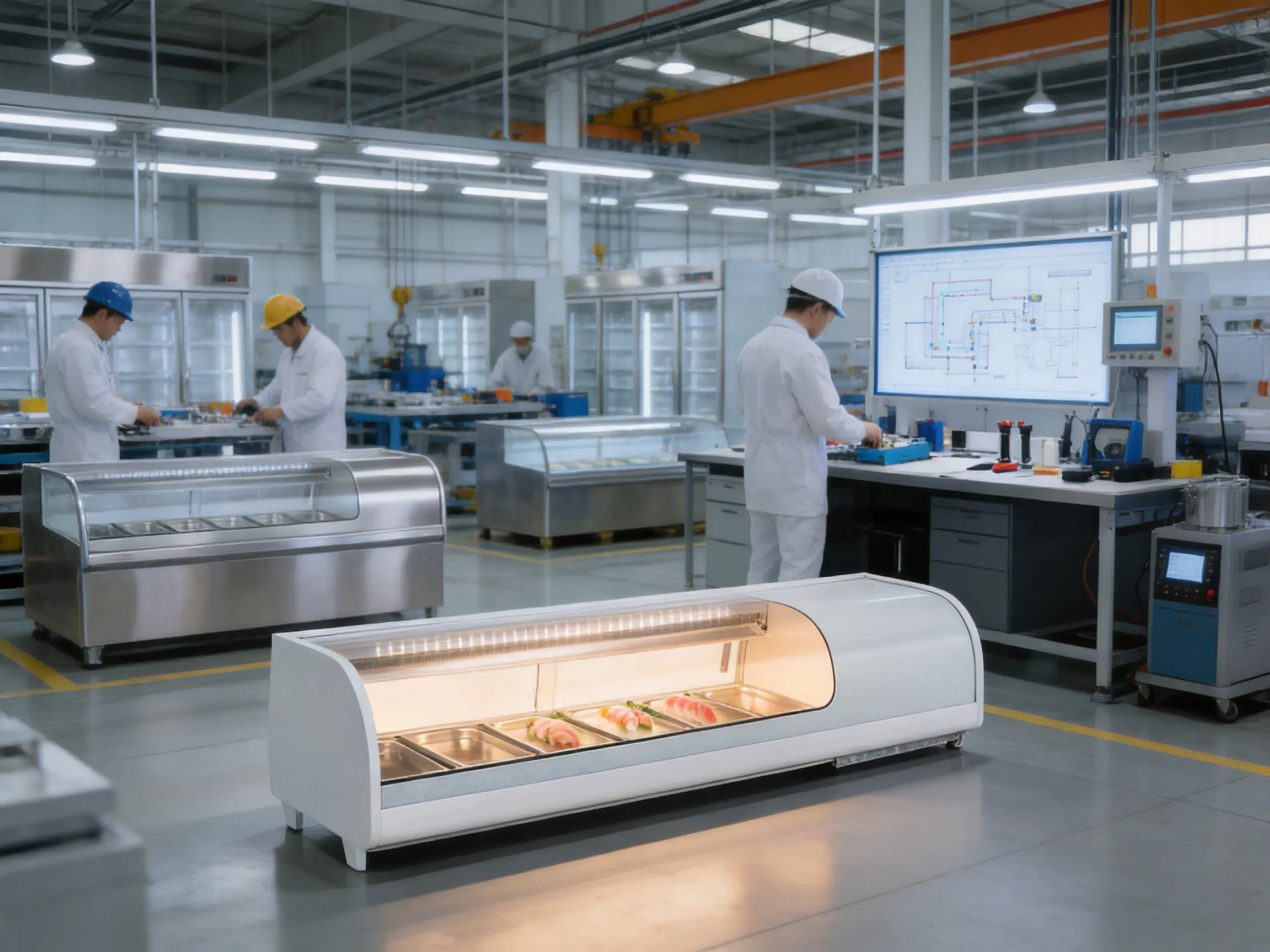
Product: Sushi Display Refrigerator Sushi Showcase

You May Also Like





-
- Navigation
- Home
- About Us
- Products
- News
- Contact Us
 East Zone, Guanhaiwei Industrial Park, Cixi City, Ningbo, Zhejiang, China
 +86-574-63668678
 +86-574-63668108

Copyright © Ningbo XiangChi Electrical Co.,Ltd All Rights Reserved.
