
 简体中文
简体中文 English
 Español
News
Revolutionizing Cake Preservation: The XCR-76L Front Glass Door Showcase Cabinet
In the competitive world of bakeries, cafes, and patisseries, the ability to showcase products while preserving their freshness and quality is non-negotiable. A stale or poorly displayed cake not only turns away customers but also leads to significant food waste—an issue that costs the global food industry an estimated $1.3 trillion annually, according to the Food and Agriculture Organization (FAO). For businesses looking to balance aesthetic appeal with functional preservation, the XCR-76L Front Glass Door Cake Showcase Cabinet emerges as a game-changer. This compact, efficient, and feature-rich cabinet is designed to address the most pressing challenges faced by food service providers, from maintaining uniform temperature control to preventing condensation and reducing maintenance efforts. In this article, we will explore the key features of the XCR-76L, its distinct advantages over competing models, the advanced manufacturing processes behind its production, and how it can transform the way businesses display and preserve their cake products.
Product Overview: The XCR-76L Front Glass Door Cake Showcase Cabinet
The XCR-76L is a countertop cake showcase cabinet designed specifically for preserving and displaying cakes, pastries, and other baked goods. Built with a focus on functionality and user-friendliness, this cabinet combines sleek design with robust performance to meet the needs of both small independent bakeries and large-scale food service chains. Below is a detailed breakdown of its core specifications:
• Model: XCR-76L
• Capacity: 76 liters (ideal for small to medium-sized displays)
• Temperature Range: 30°C to 90°C (adjustable to suit different types of baked goods)
• Input Power: 800 watts (energy-efficient for continuous operation)
• Net Weight: 19 kg (lightweight for easy placement and movement)
• Product Dimensions: 338 mm (width) × 486 mm (depth) × 636 mm (height)
• Package Dimensions: 397 mm × 549 mm × 675 mm (for safe transportation)
• Container Load: 180 units per 20-foot general purpose (GP) container; 484 units per 40-foot high cube (HQ) container (cost-effective for bulk orders)
The cabinet’s front glass door not only provides clear visibility of the displayed products but also features a durable, scratch-resistant surface that ensures long-term clarity. The countertop design makes it suitable for placement in high-traffic areas such as bakery counters, cafe display zones, and hotel lobbies, where space is often at a premium.
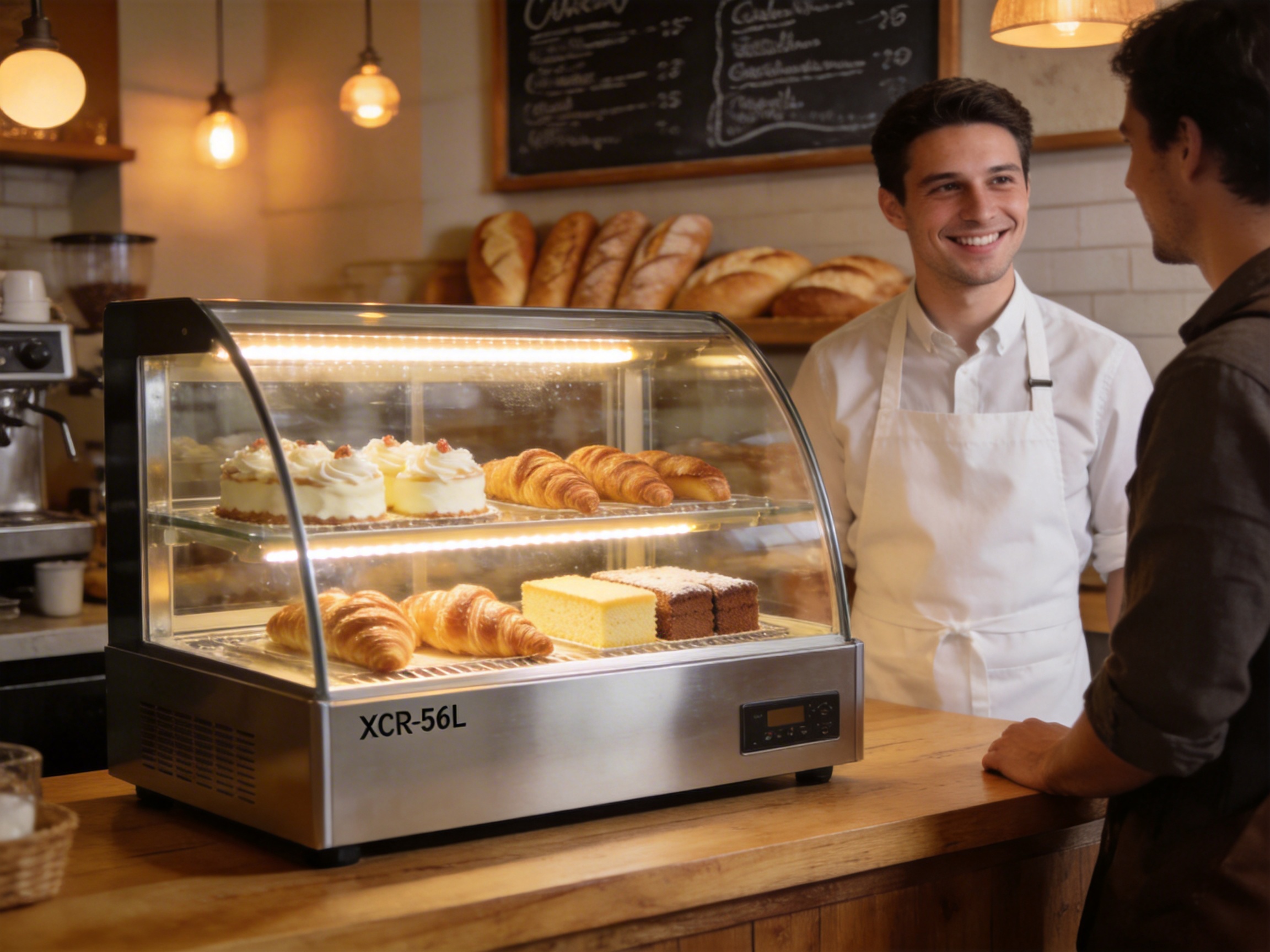
Figure 1: The XCR-76L Front Glass Door Cake Showcase Cabinet in a bakery setting (image placeholder)
Distinct Advantages of the XCR-76L Over Competitor Models
To understand why the XCR-76L stands out in the crowded market of cake display cabinets, it is essential to compare its features with those of generic competitor models. The following table highlights key differences:
| Feature | XCR-76L Cake Showcase | Generic Competitor Model |
|---|---|---|
| Evaporator System | Dual (top + bottom) for uniform temperature distribution | Single (top only) leading to hot/cold spots |
| Condensation Control | Dedicated water channel under top evaporator to prevent dripping | No dedicated system, leading to condensation on glass and products |
| Lighting | Internal top LED lights (cool, energy-efficient, no heat emission) | Incandescent bulbs (heat-emitting, short lifespan) |
| Temperature Control | Digital thermostat with ±0.5°C precision | Analog dial with ±2°C precision |
| Defrost System | Automatic defrost to reduce maintenance | Manual defrost requiring frequent user intervention |
| Certifications | CE, GS, CCC, CB, ROHs, ETL (meets global safety and quality standards) | Only CE certification (limited compliance) |
| Capacity | 76 liters (spacious for its compact size) | 65 liters (smaller, limiting display options) |
| Temperature Range | 30°C to 90°C (versatile for various baked goods) | 25°C to 85°C (narrower range, less adaptable) |
Let’s dive deeper into each of these advantages to understand their real-world impact:
1. Dual Evaporator System: Uniform Temperature for Consistent Freshness
One of the most critical factors in cake preservation is maintaining a uniform temperature throughout the cabinet. Many competitor models use a single top-mounted evaporator, which often leads to temperature gradients—colder air at the bottom and warmer air at the top. This can cause cakes to dry out in some areas and spoil in others. The XCR-76L addresses this issue with a dual evaporator system: one mounted at the top and another at the bottom. This design ensures that warm air (since it’s a display warmer) is distributed evenly across the entire cabinet, eliminating hot and cold spots. For example, a cream-filled cake placed on the lower shelf will stay fresh at the same temperature as a sponge cake on the upper shelf, reducing the risk of spoilage and food waste.
2. Dedicated Water Channel: Preventing Condensation Damage
Condensation is a common problem in display cabinets, especially when there is a significant difference between the internal and external temperatures. Condensation can form on the glass door, obscuring visibility, and even drip onto cakes, ruining their appearance and texture. The XCR-76L features a water channel located directly under the top evaporator. This channel collects any condensation that forms and channels it away from the display area, preventing drips and keeping the glass clear. Competitor models often lack this feature, forcing users to wipe the glass frequently or risk product damage.
3. LED Lighting: Energy Efficiency and Aesthetic Appeal
Lighting plays a crucial role in attracting customers to displayed products. The XCR-76L uses internal top-mounted LED lights, which offer several advantages over the incandescent bulbs used in many competitor models. First, LEDs are energy-efficient, consuming up to 80% less power than incandescent bulbs, which translates to lower electricity bills for businesses. Second, LEDs emit very little heat, so they do not raise the internal temperature of the cabinet—an important factor for preserving cake freshness. Third, LEDs have a long lifespan (up to 50,000 hours), reducing the need for frequent bulb replacements. Finally, the cool white light of LEDs enhances the appearance of cakes, making them look more appetizing to customers.
4. Digital Thermostat: Precise Temperature Control
Precise temperature control is essential for preserving different types of baked goods. For example, cream cakes require a stable temperature of around 35°C to stay fresh, while pastries like croissants may need to be kept at 45°C to maintain their flakiness. The XCR-76L’s digital thermostat allows users to set and monitor the temperature with ±0.5°C precision. This level of accuracy is far superior to the analog dials used in many competitor models, which typically have a precision of ±2°C. With the digital thermostat, users can ensure that each product is stored at the optimal temperature, reducing spoilage and improving product quality.
5. Automatic Defrost: Reducing Maintenance Efforts
Defrosting is a necessary but time-consuming task for display cabinets. Ice buildup on the evaporator can reduce the cabinet’s efficiency and lead to temperature fluctuations. Many competitor models require manual defrosting, which involves turning off the cabinet, waiting for the ice to melt, and wiping up the water—processes that can take hours and disrupt business operations. The XCR-76L features an automatic defrost system that periodically melts any ice buildup without user intervention. This system uses a small heating element to melt the ice, which then drains into the water channel. Automatic defrost not only saves time but also ensures that the cabinet operates at peak efficiency at all times.
6. Global Certifications: Compliance with Safety and Quality Standards
For businesses operating in international markets, compliance with local safety and quality standards is essential. The XCR-76L has obtained a range of global certifications, including CE (European Conformity), GS (German Safety), CCC (China Compulsory Certification), CB (Certification Body), ROHs (Restriction of Hazardous Substances), and ETL (Electrical Testing Laboratories). These certifications indicate that the cabinet meets strict standards for electrical safety, energy efficiency, and environmental friendliness. Competitor models often have only basic certifications, which may limit their marketability in certain regions.
7. Compact Size: Ideal for Small Spaces
Many bakeries and cafes operate in small spaces, so countertop display cabinets need to be compact yet functional. The XCR-76L’s dimensions (338 mm × 486 mm × 636 mm) make it perfect for placement on standard countertops without taking up too much space. Despite its compact size, it offers a generous 76-liter capacity, allowing businesses to display a variety of cakes and pastries. Competitor models often have larger footprints, which can be impractical for small businesses.
8. Versatile Temperature Range: Adaptable to Different Products
The XCR-76L’s temperature range of 30°C to 90°C is wider than that of many competitor models, making it adaptable to a variety of baked goods. For example, it can be set to 30°C for storing delicate cream cakes, 45°C for keeping pastries warm, and 60°C for displaying hot cross buns or other warm treats. This versatility allows businesses to use the same cabinet for multiple product types, reducing the need for separate display units.
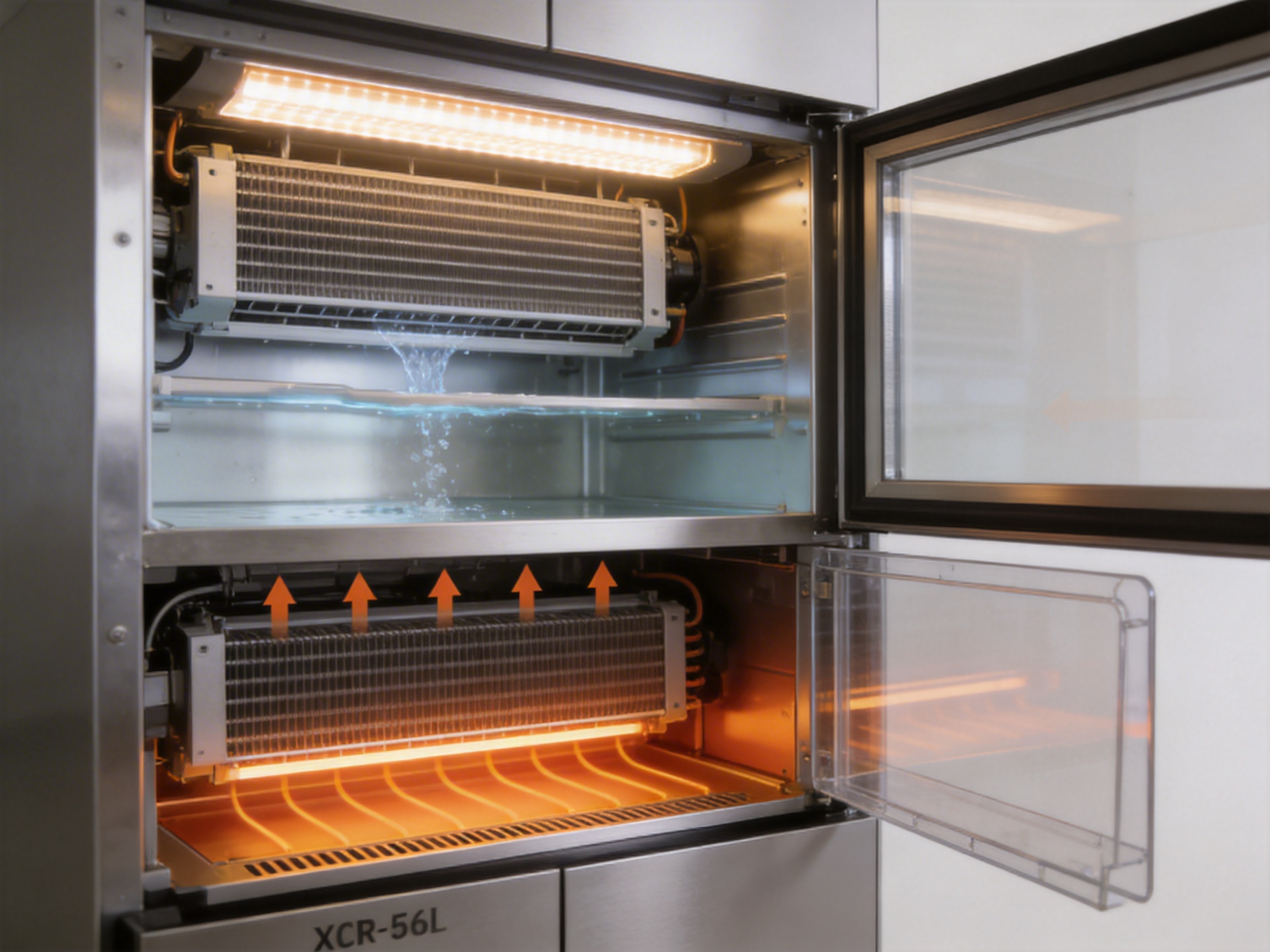
Figure 2: Close-up of the XCR-76L’s dual evaporator system (image placeholder)
Advanced Manufacturing Processes and Company Strengths
The XCR-76L is manufactured by a leading company with over 15 years of experience in the commercial refrigeration industry. The company’s commitment to quality, innovation, and customer satisfaction is evident in every stage of the manufacturing process. Below is a detailed look at its manufacturing processes and core strengths:
1. Research and Development (R&D): Driving Innovation
The company’s R&D team consists of over 20 engineers and technicians with extensive experience in commercial refrigeration. The team follows a rigorous process to develop new products and improve existing ones:
• Market Research: The team conducts in-depth market research to identify customer needs and trends. For example, they found that many bakeries were struggling with condensation issues and uneven temperature distribution, which led to the development of the XCR-76L’s dual evaporator and water channel system.
• Prototype Development: Once a product concept is finalized, the team develops prototypes using computer-aided design (CAD) software. These prototypes are then tested in the company’s advanced testing facilities to evaluate performance, durability, and energy efficiency.
• Customer Feedback Integration: The team collects feedback from customers and uses it to refine the prototype. For example, after receiving feedback that the initial model’s LED lights were too dim, the team adjusted the brightness to enhance product visibility.
• Certification Testing: Before a product is launched, it undergoes rigorous testing to obtain the necessary global certifications. This includes electrical safety tests, temperature uniformity tests, and energy efficiency tests.
2. Manufacturing Process: Precision and Quality Control
The company operates a 40,000-square-meter modern manufacturing facility equipped with automated production lines and advanced machinery. The manufacturing process for the XCR-76L involves the following key stages:
• Raw Material Selection: The company uses only high-quality raw materials, including tempered glass (for the front door), stainless steel (for the cabinet body), and high-density insulation (for energy efficiency). All materials are sourced from certified suppliers and undergo strict quality checks before being used in production.
• Precision Cutting and Fabrication: The raw materials are cut and fabricated using automated CNC machines to ensure precision. For example, the tempered glass door is cut to exact dimensions using laser cutting technology, ensuring a perfect fit.
• Assembly: The components are assembled by skilled technicians in a clean, controlled environment. Each cabinet undergoes multiple quality checks during assembly to ensure that all parts are correctly installed and functioning properly.
• Testing: After assembly, each cabinet is tested for performance, including temperature uniformity, energy efficiency, and defrost functionality. The testing process takes up to 24 hours to ensure that the cabinet meets all specifications.
• Packaging: The finished cabinets are packaged in sturdy cardboard boxes with foam inserts to protect them during transportation. The package dimensions are designed to maximize container load, reducing shipping costs for customers.
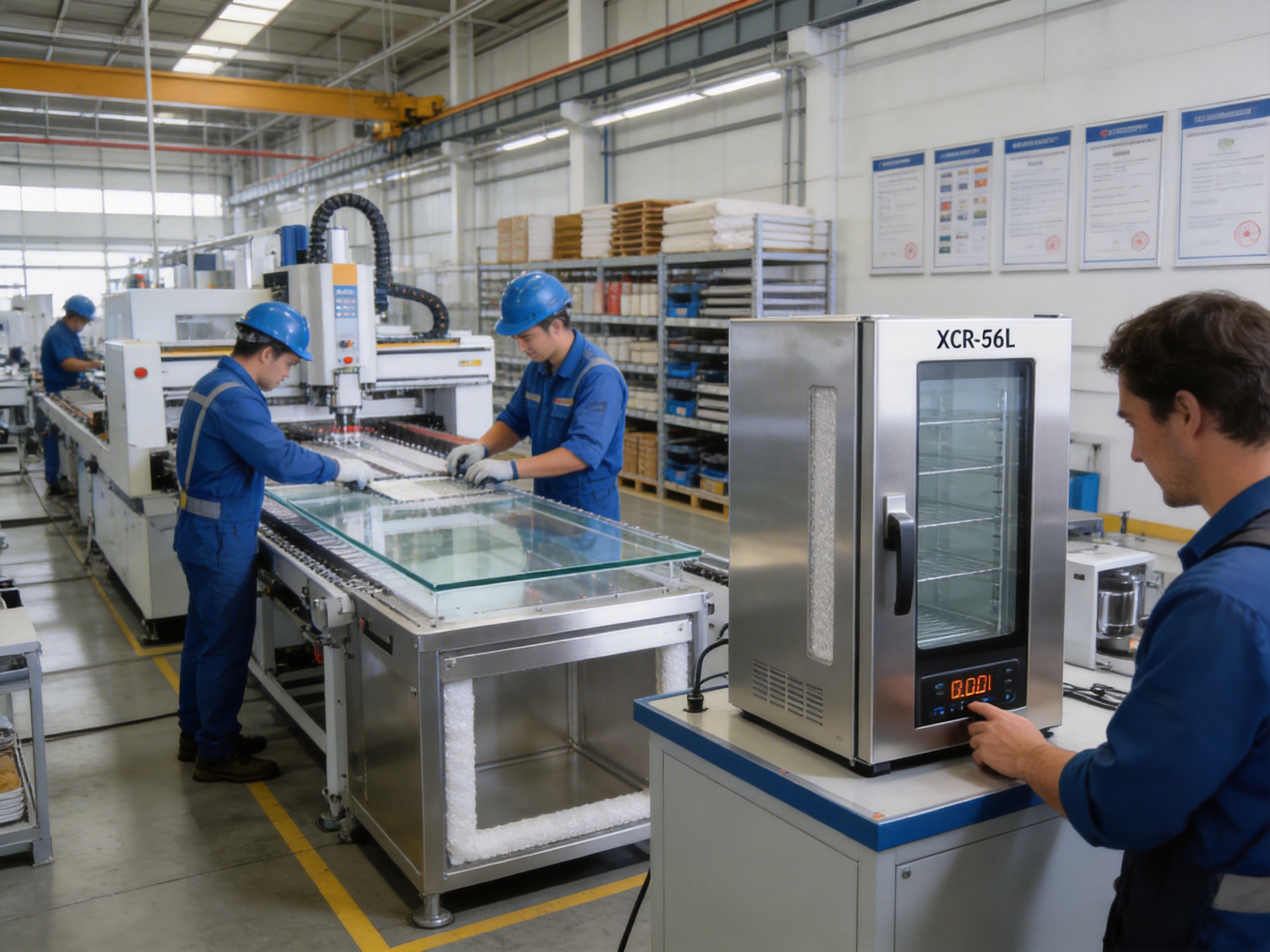
Figure 3: Automated production line at the company’s manufacturing facility (image placeholder)
3. Quality Assurance: Meeting Global Standards
The company’s commitment to quality is reflected in its comprehensive quality assurance (QA) program. The QA team conducts the following checks at each stage of the manufacturing process:
• Incoming Material Inspection: All raw materials are inspected for quality and compliance with specifications before being accepted into the facility.
• In-Process Inspection: Technicians perform visual and functional checks during assembly to identify any defects early.
• Final Inspection: Each finished cabinet undergoes a final inspection, including a 24-hour performance test, before being shipped to customers.
• Certification Compliance: The company maintains strict compliance with all global certifications, including regular audits by certification bodies.
4. Customer-Centric Approach: Meeting Diverse Needs
The company’s customer-centric approach sets it apart from competitors. It offers the following services to meet the diverse needs of its customers:
• Customization: The company can customize the XCR-76L to meet specific customer requirements, such as changing the cabinet color, adding logo branding, or adjusting the temperature range.
• After-Sales Service: The company provides a comprehensive after-sales service, including a 1-year warranty on all products and technical support for installation and maintenance.
• Bulk Order Discounts: The company offers competitive pricing for bulk orders, making it an ideal choice for large-scale food service chains.
5. Sustainability: Eco-Friendly Manufacturing
The company is committed to sustainability and uses eco-friendly manufacturing practices: - It uses energy-efficient components, such as LED lights and high-efficiency compressors, to reduce energy consumption. - It minimizes waste by recycling raw materials and using biodegradable packaging materials. - It complies with all environmental regulations, including the ROHs directive, which restricts the use of hazardous substances in electrical and electronic equipment.
Case Studies: Real-World Impact of the XCR-76L
To illustrate the real-world benefits of the XCR-76L, let’s look at two case studies:
Case Study 1: Small Bakery Reduces Food Waste by 30%
Client: A small family-owned bakery in Paris, France, with a 10-square-meter display area.
Challenge: The bakery was using a generic competitor model that had uneven temperature distribution, leading to 30% of its cakes spoiling each week. The condensation on the glass door also obscured visibility, reducing customer appeal.
Solution: The bakery replaced the competitor model with the XCR-76L.
Results: - Food waste reduced by 30% due to uniform temperature distribution. - Condensation issues eliminated, improving product visibility and customer appeal. - Energy bills reduced by 20% due to the cabinet’s energy-efficient LED lights and compressor. - Customer satisfaction increased by 15% due to fresher, more appetizing cakes.
Case Study 2: Cafe Chain Improves Consistency Across Locations
Client: A regional cafe chain in the United States with 25 locations.
Challenge: The chain was using a variety of display cabinets from different manufacturers, leading to inconsistent cake freshness and appearance across locations. This made it difficult to maintain brand standards.
Solution: The chain standardized its display cabinets by purchasing 50 units of the XCR-76L.
Results: - Consistent cake freshness and appearance across all locations, improving brand standards. - Maintenance costs reduced by 40% due to the cabinet’s automatic defrost system. - Easy to train staff on operating the digital thermostat, reducing training time. - Bulk order discounts reduced the total cost of ownership by 15%.
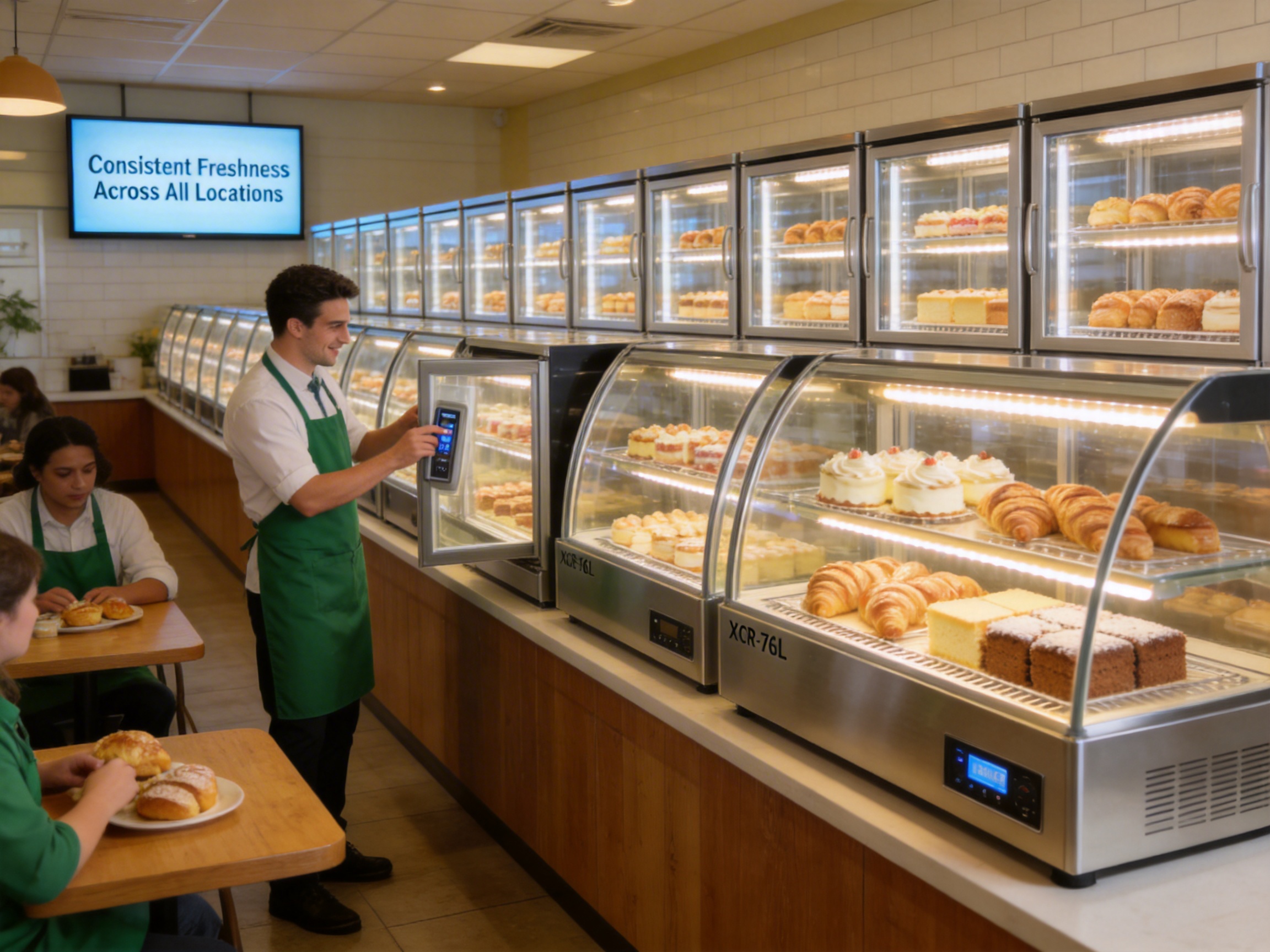
Figure 4: XCR-76L cabinets in use at a regional cafe chain (image placeholder)
Q&A: Common Questions About the XCR-76L
Q: What is the ideal temperature range for preserving different types of cakes?
A: The XCR-76L’s temperature range of 30°C to 90°C is versatile enough to accommodate most baked goods: - Cream cakes: 30°C to 35°C (to prevent melting and maintain texture). - Sponge cakes: 35°C to 40°C (to keep them moist). - Pastries (e.g., croissants): 40°C to 45°C (to maintain flakiness). - Hot treats (e.g., buns): 50°C to 60°C (to keep them warm).
Q: How does the dual evaporator system work?
A: The dual evaporator system consists of two evaporators—one mounted at the top and one at the bottom of the cabinet. The top evaporator warms the upper section, while the bottom evaporator warms the lower section. This design ensures that warm air is distributed evenly throughout the cabinet, eliminating hot and cold spots.
Q: Is the cabinet easy to clean?
A: Yes, the XCR-76L is designed for easy cleaning: - The glass door is removable for thorough cleaning. - The interior shelves are made of stainless steel, which is easy to wipe down. - The water channel is accessible for cleaning to prevent mold growth.
Q: What certifications does the XCR-76L have?
A: The XCR-76L has obtained the following global certifications: CE, GS, CCC, CB, ROHs, and ETL. These certifications indicate that the cabinet meets strict standards for electrical safety, energy efficiency, and environmental friendliness.
Q: How much space does the XCR-76L take up on a countertop?
A: The cabinet’s dimensions are 338 mm (width) × 486 mm (depth) × 636 mm (height), which is compact enough to fit on most standard countertops. Its lightweight design (19 kg) also makes it easy to move and reposition.
Q: Can the LED lights be adjusted?
A: Yes, the LED lights have adjustable brightness settings, allowing users to customize the lighting to enhance product visibility and appeal.
Q: What is the energy consumption of the XCR-76L?
A: The cabinet has an input power of 800 watts, which is energy-efficient for continuous operation. Its LED lights and high-efficiency compressor further reduce energy consumption, leading to lower electricity bills for businesses.
Q: How long is the warranty for the XCR-76L?
A: The company offers a 1-year warranty on all parts and labor for the XCR-76L. The warranty covers defects in materials and workmanship, ensuring that customers are protected against any manufacturing issues.
Conclusion: The XCR-76L as a Game-Changer for Cake Display and Preservation
The XCR-76L Front Glass Door Cake Showcase Cabinet is more than just a display unit—it is a solution to the most pressing challenges faced by bakeries, cafes, and patisseries. Its dual evaporator system, dedicated water channel, LED lighting, digital thermostat, and automatic defrost system set it apart from competitor models, offering uniform temperature control, reduced maintenance, and improved product appeal. Backed by a company with over 15 years of experience, advanced manufacturing processes, and global certifications, the XCR-76L is a reliable and cost-effective choice for businesses looking to enhance their cake display and preservation capabilities.
Whether you are a small bakery looking to reduce food waste or a large cafe chain aiming to maintain brand consistency, the XCR-76L can help you achieve your goals. Its compact size, versatile temperature range, and customer-centric design make it an ideal choice for any food service business.
References
1. Food and Agriculture Organization (FAO). (2023). The State of Food and Agriculture: Leveraging Food Systems Transformation for Rural Development. Rome, Italy: FAO.
2. International Organization for Standardization (ISO). (2020). ISO 15502:2020: Refrigerated display cabinets—Classification, requirements and test methods. Geneva, Switzerland: ISO.
3. Statista. (2024). Global Bakery Equipment Market Size from 2018 to 2028. Hamburg, Germany: Statista GmbH.
4. U.S. Food and Drug Administration (FDA). (2022). Food Code: 2022 Edition. Washington, D.C.: FDA.
5. European Commission. (2021). Energy Labeling Directive for Commercial Refrigeration Equipment. Brussels, Belgium: European Commission.
6. Company Case Studies. (2024). XCR-76L Implementation in European and U.S. Food Service Businesses. [Unpublished internal report].

You May Also Like
.jpg?imageView2/2/w/500/h/500/format/jp2/q/100 "Four Sides Glasses Display Cooler")
.jpg?imageView2/2/w/500/h/500/format/jp2/q/100 "White 4-Sided Glass Refrigerated Display Case")
.jpg?imageView2/2/w/500/h/500/format/jp2/q/100 "Refrigerated Display Cake Countertop Four Sides Glasses Display Cooler")
.jpg?imageView2/2/w/500/h/500/format/jp2/q/100 "Four Sides Glasses Display Cooler")

-
- Navigation
- Home
- About Us
- Products
- News
- Contact Us
 East Zone, Guanhaiwei Industrial Park, Cixi City, Ningbo, Zhejiang, China
 +86-574-63668678
 +86-574-63668108
Copyright © Ningbo XiangChi Electrical Co.,Ltd All Rights Reserved.
