
 简体中文
简体中文 English
 Español
News
Refrigerated Flat Glass 4-Layer Cake Showcase for Professional Dessert Presentation
In modern food retail, dessert presentation is no longer a secondary detail; it is a core part of the customer experience. A cake, pastry, mousse, tart, sandwich, or chilled specialty item must be kept at the correct temperature while remaining visually attractive from the first moment a customer enters the store. The refrigerated display flat glass 4-layer cake showcase, model XC-275Y, is designed for exactly this purpose. It combines refrigerated storage, transparent merchandising, LED illumination, and practical operation in one commercial-grade display solution for bakeries, cafés, hotels, restaurants, supermarkets, dessert chains, convenience stores, and specialty food counters.
This cake showcase belongs to the professional cake showcase category and is engineered to maintain a 2–8°C temperature range, which is suitable for many chilled bakery and dessert products. With a 390-liter capacity, a flat glass structure, multiple display layers, a ventilated cooling system, automatic defrost, double tempered glass, and a stainless steel base, it provides a strong combination of presentation quality, product protection, and daily usability. Compared with ordinary display refrigerators or low-cost display cabinets, this unit offers a more refined balance of visibility, refrigeration stability, durability, and operator convenience.
Refrigerated Display Flat Glass 4 Layer Cake Showcase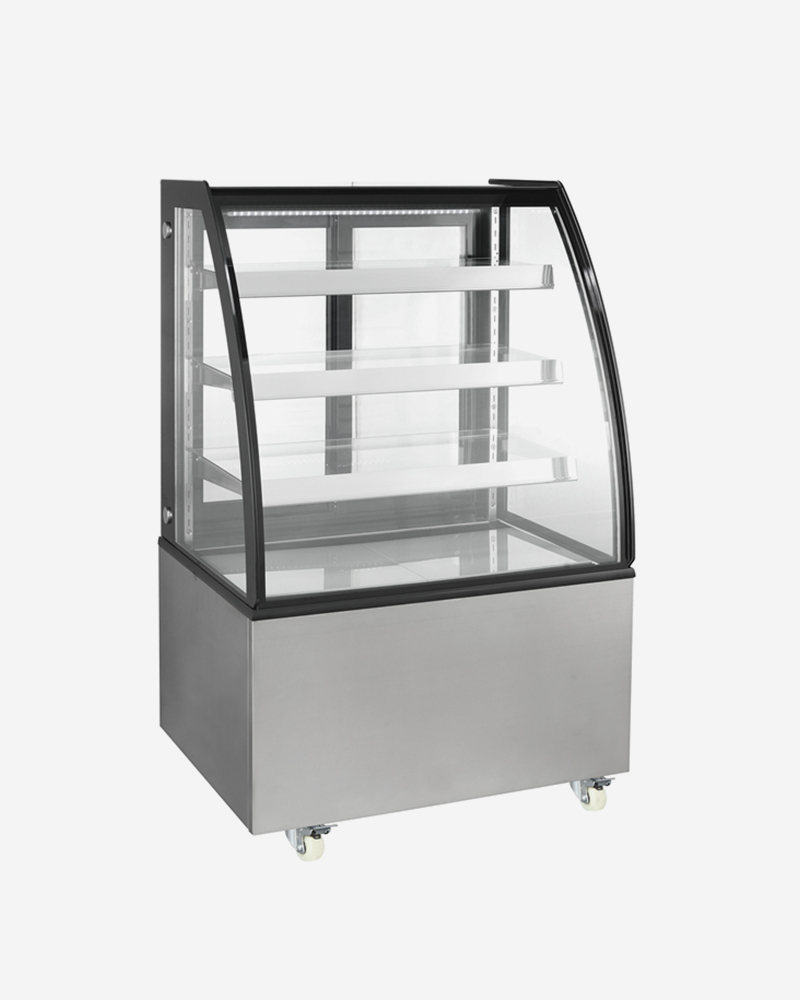
Product Overview
The XC-275Y refrigerated display flat glass 4-layer cake showcase is a commercial refrigerated cabinet designed to display chilled foods while protecting their freshness. Its flat glass appearance offers a clean, modern, and professional look that suits retail environments where product visibility directly affects purchasing decisions. The showcase is especially suitable for cakes and pastries, but it can also be used for desserts, prepared chilled snacks, packaged confectionery, delicate dairy-based products, and other items that require attractive refrigerated display.
The cabinet uses a ventilated cooling system to distribute cold air inside the display area. This is important because display cabinets often suffer from uneven temperatures if cold air remains concentrated in one area. A ventilated system improves airflow circulation, helping items on different shelves remain within the desired temperature range. For a multi-layer showcase, this cooling method is especially valuable because upper, middle, and lower shelves must all maintain reliable conditions.
Its standard features include three LED light bars, a digital thermostat and display, two glass shelves, double tempered glass, smooth rear sliding glass doors, automatic defrost, a stainless steel base, a separated power button, and four castors, two of which include brakes. These design choices show that the product is not only made for display but also for commercial workflow. Operators can monitor temperature, access products from the back, move the cabinet when needed, clean it more easily, and position it securely during service.
Core Specifications
The following table summarizes the main product information and standard features of the refrigerated flat glass cake showcase.
Item |
Specification |
Model |
XC-275Y |
Product Category |
Cake Showcase |
Capacity |
390 L |
Temperature Range |
2–8°C |
Input Power |
470 W |
Refrigerant |
R134a / R290 |
Net Weight |
175 kg |
Product Size |
1025 × 765 × 1395 mm |
Package Size |
1045 × 785 × 1380 mm |
Lighting |
3 LED light bars |
Control |
Digital thermostat and display |
Shelves |
2 glass shelves with multi-layer display structure |
Glass |
Double tempered glass |
Doors |
Smooth rear sliding glass doors |
Cooling |
Ventilated cooling system |
Defrost |
Automatic defrost |
Base |
Stainless steel base |
Mobility |
Four castors, two with brakes |
Designed for Cake and Dessert Merchandising
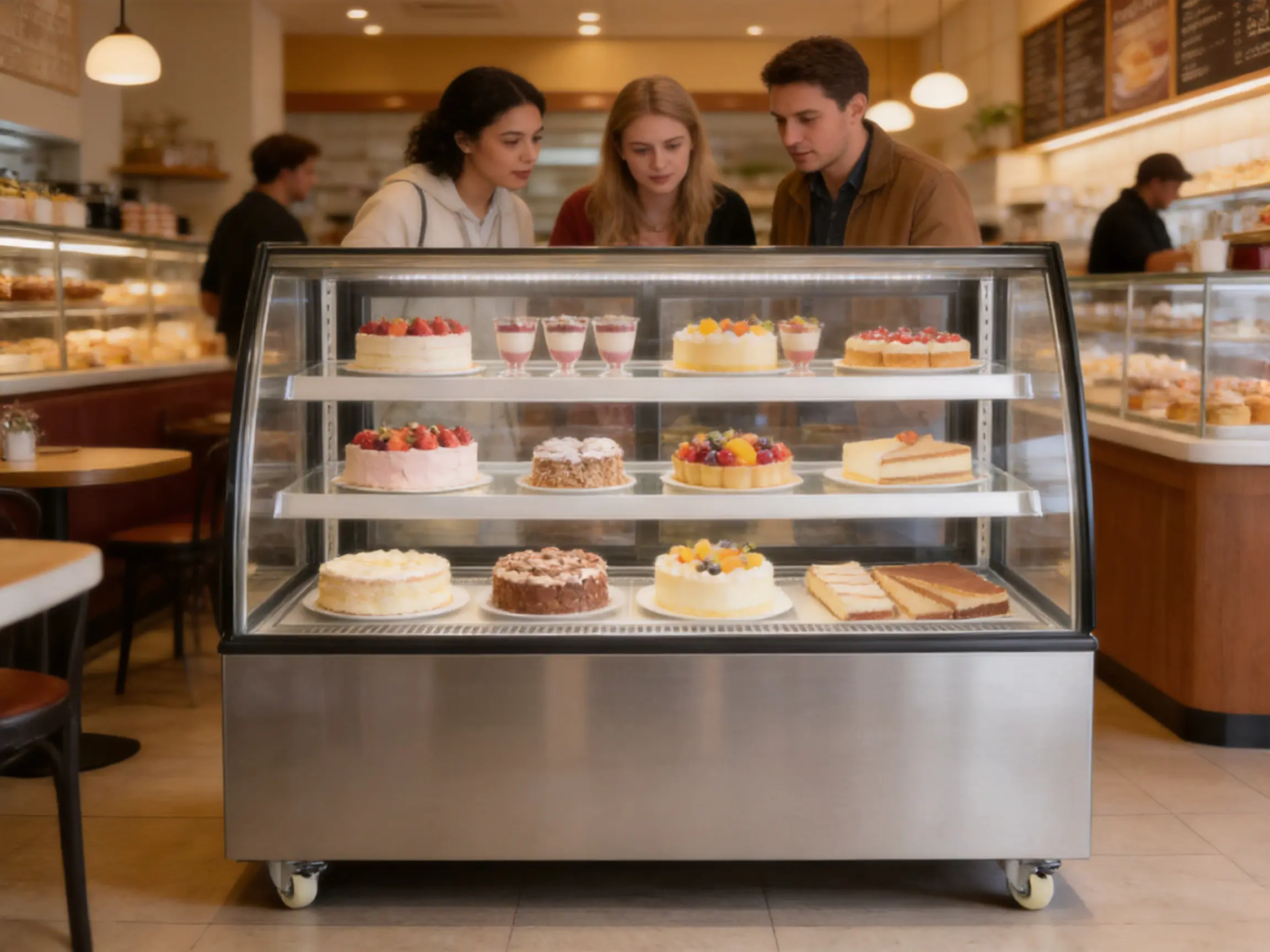
A cake showcase is not simply a refrigerator with glass panels. It must protect freshness, preserve visual appeal, and encourage sales. Desserts are highly visual products: layers, toppings, glazes, fruit decorations, chocolate finishes, cream textures, and delicate shapes all influence customer choice. The flat glass structure of this showcase gives customers a clear view of the displayed products, allowing them to compare options quickly and comfortably.
In bakeries and cafés, the display cabinet often works as a silent salesperson. A well-lit cake showcase can increase product attractiveness and create a sense of freshness and abundance. The XC-275Y supports this function with three LED light bars that illuminate the display area. LED lighting is preferred in professional refrigeration because it provides bright visibility with lower heat output than traditional lighting. Lower heat generation is important inside a refrigerated cabinet because unnecessary heat can increase compressor workload and affect temperature stability.
The 4-layer presentation concept helps businesses organize products by category, price level, flavor type, serving size, or promotional priority. For example, a bakery may place premium whole cakes on one level, sliced cakes on another, mousse cups on another, and seasonal desserts near eye level. A café may use the display for cheesecakes, tiramisu, fruit tarts, pudding cups, and packaged cold snacks. The cabinet therefore supports both product preservation and retail strategy.
Temperature Range for Freshness Protection
The 2–8°C operating range is suitable for many chilled desserts and bakery products. This range helps slow microbial growth, preserve cream and dairy fillings, maintain freshness, and extend display life when used properly. Temperature control is particularly important for cakes containing whipped cream, custard, cheese, mousse, fresh fruit, and other sensitive ingredients.
Compared with non-refrigerated display counters or poorly controlled cabinets, a dedicated cake showcase provides a safer and more consistent environment. Products can remain visible to customers while being kept under controlled chilled conditions. This reduces the need for repeated movement between storage refrigerators and display areas, improving staff efficiency and minimizing handling.
The digital thermostat and display make operation more convenient. Staff can monitor the cabinet temperature at a glance and make adjustments as needed. A digital control system also gives the cabinet a more professional operating interface than simple mechanical controls. In busy retail environments, quick visibility of operating conditions is valuable because staff may not have time to perform frequent manual checks.
Ventilated Cooling for Even Air Distribution
One of the important strengths of this cake showcase is its ventilated cooling system. In a multi-layer cabinet, even cooling is essential. If air circulation is weak, the lower area may become colder while the upper area becomes warmer, or products placed near airflow outlets may experience different conditions from products placed near the glass. Ventilated cooling helps reduce these differences by circulating cold air throughout the display space.
For businesses, even cooling provides several advantages. First, it helps maintain more consistent product quality across different shelves. Second, it allows more flexible product placement because operators do not have to rely on only one “best” shelf for temperature-sensitive items. Third, it supports a more professional customer experience because all displayed products can look fresh and appealing.
Compared with static cooling cabinets, ventilated systems are often better suited to retail display environments where doors are opened frequently and products are arranged across several levels. Rear sliding doors may be used many times during service, and each opening allows some warm air to enter. Ventilated cooling helps the cabinet recover and maintain stable internal conditions.
Double Tempered Glass for Durability and Display Clarity
The showcase is equipped with double tempered glass, which contributes to both safety and refrigeration performance. Tempered glass is stronger than ordinary glass and is commonly used in commercial equipment because it better withstands daily operation, cleaning, and accidental contact. In customer-facing environments, glass quality matters not only for visibility but also for safety and long-term reliability.
Double glass construction can also improve insulation compared with single glass designs. Better insulation helps reduce heat transfer from the surrounding environment into the refrigerated display area. This can support temperature stability and may reduce unnecessary cooling load. For a cabinet that operates throughout the business day, insulation quality is an important part of operating efficiency.
From a merchandising perspective, clear glass is essential. Customers want to see product colors, textures, and decorations without distortion. The flat glass design offers a clean and modern appearance, suitable for high-end bakeries as well as practical commercial foodservice settings. It avoids overly complicated shapes and creates a simple, elegant frame around the displayed products.
LED Lighting That Enhances Product Appeal
The three LED light bars are among the most important visual features of the unit. Lighting can transform the perceived quality of desserts. Cream becomes brighter, fruit appears fresher, chocolate looks richer, and layered cakes become easier to distinguish. Good lighting encourages impulse purchases because customers can see details clearly.
LED lighting is also practical. It generally consumes less energy than older lighting technologies and produces less heat. In refrigerated equipment, this is especially useful because every heat source inside the cabinet must be balanced by the cooling system. By using LED light bars, the showcase supports bright display while helping control internal thermal load.
Compared with cabinets that use weak or uneven lighting, this showcase can present products more consistently across display levels. Uniform lighting helps avoid dark corners and makes the entire cabinet look full and professional. In a competitive retail environment, visual consistency often influences customer trust. A well-lit display suggests careful product management and a higher standard of service.
Rear Sliding Glass Doors for Efficient Service
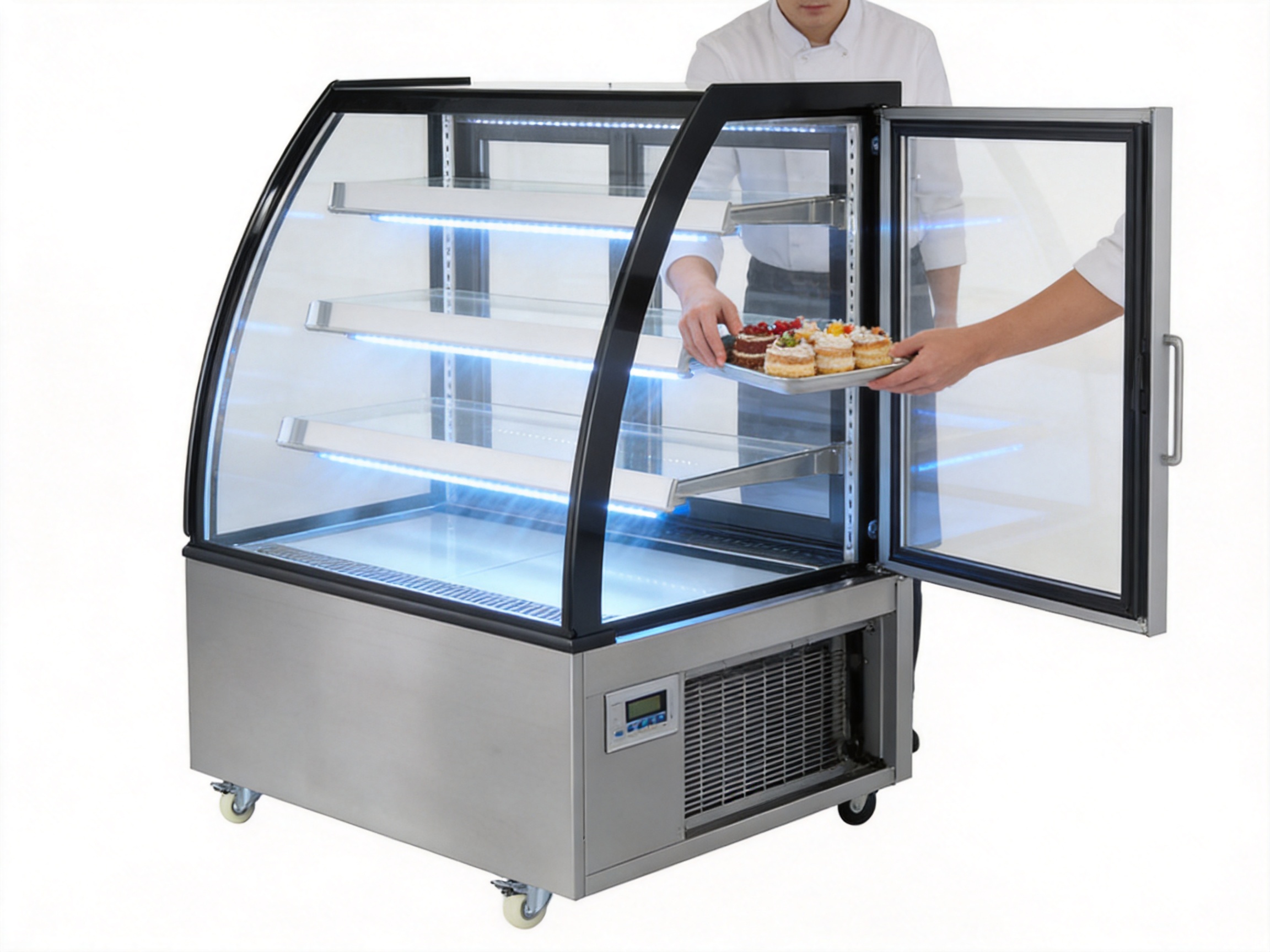
The smooth rear sliding glass doors are designed for staff convenience. In a bakery, café, or restaurant service counter, employees need quick access to products while maintaining a clean and organized display. Sliding doors require less rear clearance than hinged doors, which makes them suitable for limited service spaces. They also allow staff to access products efficiently without disrupting the customer-facing appearance of the cabinet.
Smooth operation is important because doors may be opened and closed many times per day. If the door mechanism is difficult, noisy, or unstable, staff efficiency suffers and the cabinet becomes frustrating to use. Smooth rear sliding doors support faster service during peak hours, especially when customers are waiting and employees must retrieve items quickly.
Glass doors also allow staff to view products from the service side. This helps employees locate items before opening the cabinet, reducing door-open time and limiting warm air entry. In commercial refrigeration, reducing unnecessary door opening is a simple but important way to support temperature stability and energy efficiency.
Automatic Defrost for Lower Maintenance Burden
Automatic defrost is a valuable feature in commercial display refrigeration. Frost accumulation can reduce cooling performance, block airflow, reduce visibility, and increase energy consumption. Manual defrosting can interrupt business operations and requires staff attention. With automatic defrost, the cabinet is easier to manage during daily operation.
For businesses that operate long hours, such as cafés, convenience stores, dessert shops, and hotel food areas, lower maintenance burden is a major advantage. Staff can focus on serving customers and managing products rather than frequently stopping the cabinet for frost removal. Automatic defrost also contributes to more consistent performance over time because airflow and heat exchange surfaces can remain in better working condition.
Compared with entry-level cabinets that rely heavily on manual defrost, a showcase with automatic defrost is more suitable for professional commercial use. It reduces downtime, improves convenience, and supports more reliable day-to-day operation.
Stainless Steel Base for Strength and Hygiene
The stainless steel base provides a durable and hygienic foundation. Stainless steel is widely used in commercial foodservice equipment because it is strong, corrosion-resistant, and easier to clean than many painted or untreated materials. A display cabinet base is exposed to foot traffic, cleaning procedures, accidental splashes, and movement, so material quality is important.
A stainless steel base also gives the showcase a professional appearance. In retail food environments, customers often associate clean stainless steel surfaces with hygiene and quality. For operators, stainless steel helps reduce long-term wear and supports the cabinet’s suitability for demanding daily use.
Compared with cabinets using weaker base structures, this showcase offers improved durability and a more premium visual impression. The base is not merely decorative; it contributes to the overall stability and service life of the unit.
Mobility with Castors and Brakes
The unit is equipped with four castors, two of which include brakes. Mobility is often overlooked in display refrigeration, but it is important for cleaning, repositioning, store redesign, maintenance access, and event-based foodservice layouts. A heavy cabinet without castors can be difficult to move safely, while a cabinet with castors can be positioned more flexibly.
The two braking castors allow the cabinet to remain secure once placed. This balance of mobility and stability is useful in commercial spaces where the display may need to be moved for floor cleaning or seasonal changes but must remain fixed during customer service. For operators who frequently adjust store layouts, the castor system is a practical advantage over fixed-base display cabinets.
At a net weight of 175 kg, the cabinet is built with substantial commercial structure. Castors help make this weight manageable when movement is required. They also reduce the risk of damage to floors and equipment during repositioning when used properly.
Capacity and Layout Advantages
With a 390-liter capacity, the showcase provides generous internal space for a wide range of chilled products. Capacity matters because display cabinets must look abundant without becoming overcrowded. Too little display space can limit product variety and reduce sales opportunities. Too much empty space can make a store look understocked. A 390-liter showcase offers a strong balance for many small to medium retail operations and can also serve as a specialized dessert display in larger businesses.
The product size of 1025 × 765 × 1395 mm provides a practical footprint for countertop-adjacent or floor-standing service areas. It offers significant display height without requiring excessive floor width. The vertical presentation allows businesses to display more products within a limited area, which is especially valuable in cafés and bakeries where space must be shared with counters, coffee machines, packaging stations, and customer flow paths.
Compared with wider horizontal counters that occupy more floor space, a vertically arranged multi-layer showcase can improve space efficiency. It also places products at different viewing heights, making the display more dynamic. Customers can browse several levels easily, and operators can arrange high-margin or signature products in the most visible positions.
Energy and Refrigerant Considerations
The unit has an input power of 470 W. In commercial refrigeration, energy performance depends not only on rated input power but also on insulation, door use, ambient conditions, product loading, maintenance, and thermostat settings. Features such as LED lighting, double tempered glass, ventilated cooling, and automatic defrost can all contribute to practical operating performance when properly designed and used.
The cabinet supports R134a or R290 refrigerant options. R134a has been widely used in refrigeration applications, while R290 is a hydrocarbon refrigerant known for lower global warming potential and efficient thermodynamic properties when applied correctly. The availability of refrigerant options can help meet different market requirements and regulatory environments.
For buyers, refrigerant selection should consider local regulations, service availability, environmental goals, and safety standards. A professional manufacturer with experience in international certifications and testing can provide equipment configurations suited to different market needs.
Advantages Over Ordinary Competitor Products
In the display refrigeration market, many products may look similar at first glance. However, long-term performance depends on design details, material selection, manufacturing consistency, cooling stability, and service convenience. The XC-275Y offers several advantages over ordinary competitor products.
First, the combination of ventilated cooling and a multi-layer display structure provides stronger temperature distribution than basic static cabinets. This is especially important for cakes and desserts placed across different shelves. Uneven cooling can cause product quality variation, while ventilated circulation supports more reliable display conditions.
Second, the double tempered glass improves both safety and insulation. Some low-cost display cabinets use thinner glass or less durable materials, which may compromise long-term use. In a commercial setting, glass surfaces must withstand frequent cleaning, customer proximity, and daily staff activity.
Third, the three LED light bars create a stronger visual merchandising effect. Competitor products with limited lighting may leave products in shadows or fail to highlight details. Strong, well-positioned lighting can make desserts appear fresher and more appealing, which may directly support sales.
Fourth, the automatic defrost system reduces manual maintenance. Many lower-cost cabinets require more frequent operator intervention. Automatic defrost helps preserve airflow and cooling efficiency while reducing downtime.
Fifth, the stainless steel base and castor system improve practical durability and flexibility. Some display cabinets may use less durable base materials or fixed structures that complicate cleaning and relocation. The stainless steel base supports hygiene and appearance, while castors make the cabinet easier to manage in real commercial environments.
Sixth, the digital thermostat and display give operators clear control. Compared with simple mechanical systems, a digital display improves monitoring and makes daily use more professional. Staff can quickly check internal conditions and respond when necessary.
Together, these advantages make the showcase suitable for businesses that care about both product presentation and dependable operation. It is not just a glass cabinet; it is a refrigerated merchandising tool designed to support sales, freshness, workflow, and brand image at the store level.
Manufacturing Strength Behind the Product
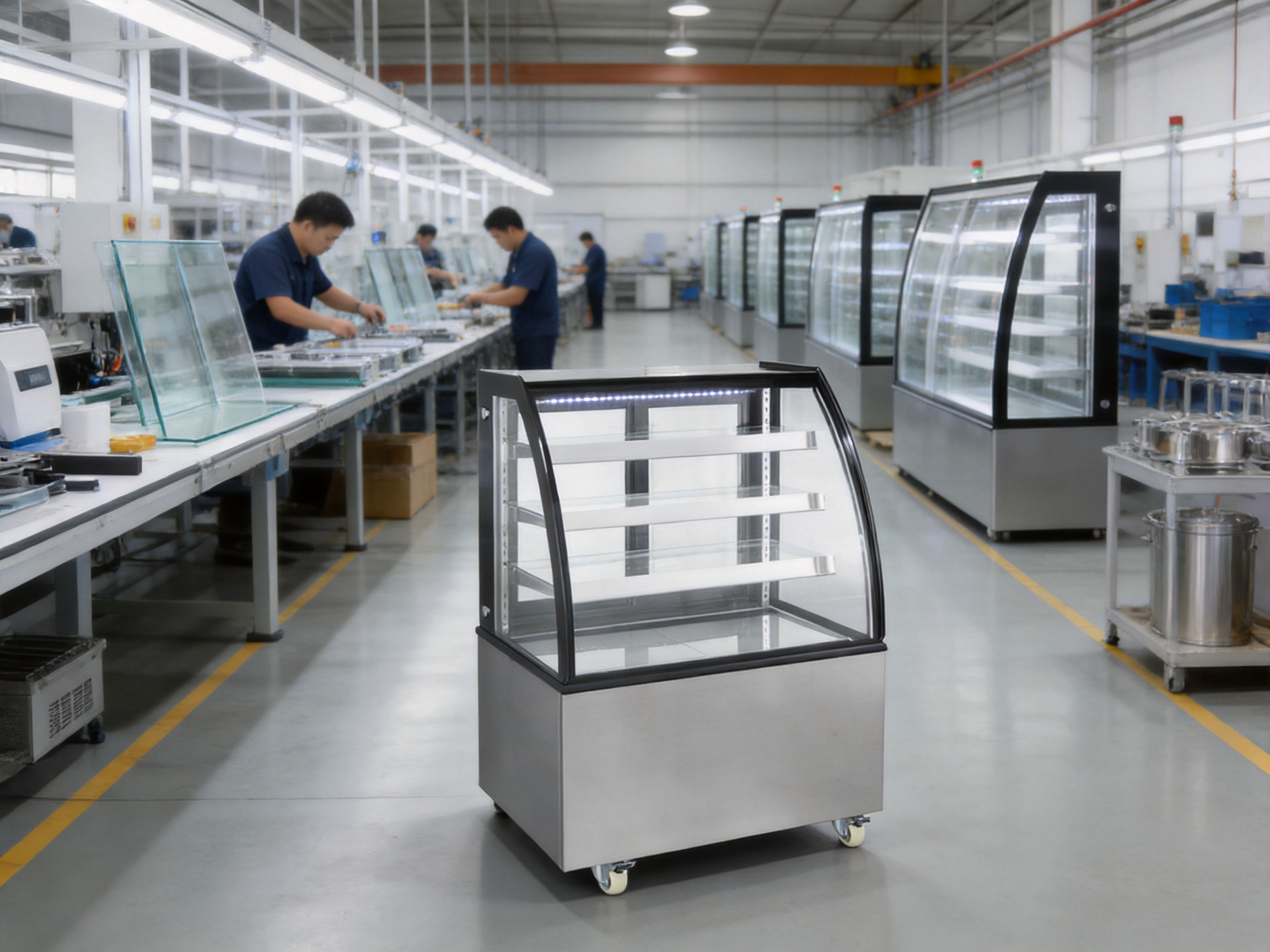
A display refrigerator is only as reliable as the manufacturer behind it. Ningbo XiangChi Electrical Co., Ltd is a professional manufacturer specializing in vertical display cabinets, cake cabinets, warming cabinets, countertop display coolers, display warmers, open display coolers, four-sided glass display coolers, and related commercial refrigeration products. Established in 2007, the company has developed more than ten years of industry experience and operates a modern manufacturing facility of approximately 40,000 square meters.
The company’s manufacturing strength is reflected in its combination of product specialization, research and development capability, testing facilities, production scale, and international certification experience. Commercial refrigeration equipment requires precise coordination between cabinet structure, refrigeration components, insulation, electrical systems, airflow design, and quality control. A manufacturer with dedicated engineering and testing resources is better positioned to deliver stable products for global customers.
The company has obtained major certifications including CE, GS, CCC, CB, ROHS, and ETL. These certifications help demonstrate its ability to meet different technical and safety requirements across markets. For international buyers, certification experience is important because equipment must comply with local standards before it can be imported, installed, and used commercially.
Advanced Research and Development Capabilities
Product development in commercial refrigeration involves more than assembling standard parts. Engineers must consider thermal performance, airflow paths, compressor selection, refrigerant compatibility, electrical safety, glass structure, shelf loading, lighting placement, drainage, defrost cycles, noise control, and user ergonomics. A strong R&D team can improve these details over time and respond to customer needs across different markets.
The manufacturer’s professional R&D team supports ongoing product innovation and quality improvement. In the case of the refrigerated flat glass cake showcase, this development capability is reflected in the integration of ventilated cooling, automatic defrost, LED lighting, double tempered glass, digital control, and practical service-side access. These features must work together rather than operate as isolated components.
For example, adding LED lighting requires consideration of heat output, wiring safety, moisture protection, and lighting angle. Designing a ventilated cooling system requires proper airflow distribution so products remain chilled without excessive drying. Selecting double tempered glass requires balancing insulation, visibility, strength, and cabinet weight. These engineering decisions are part of professional product development.
Testing Facilities and Quality Improvement
Advanced testing facilities are essential for refrigeration equipment. Before a product reaches customers, it must be evaluated for cooling performance, temperature stability, electrical safety, structural durability, defrost effectiveness, and operation under different ambient conditions. Testing helps identify weaknesses before mass production and supports consistent product quality.
For a cake showcase, temperature testing is especially important. Desserts may be sensitive to small changes in temperature and humidity. A cabinet must maintain proper cooling even when doors are opened, products are loaded, and the surrounding environment changes. Professional testing can verify whether the ventilated cooling system performs as intended across the internal display area.
Quality improvement is also a continuous process. Feedback from customers, distributors, and service teams can be used to refine components, improve assembly methods, enhance packaging, and optimize user convenience. A manufacturer with established testing and R&D systems is better able to make these improvements systematically.
Modern Production Processes
Manufacturing a commercial cake showcase involves several key processes. Sheet metal components must be cut, formed, and assembled accurately. Glass panels must be selected and installed with attention to safety and sealing. Refrigeration systems must be assembled, charged, and tested. Electrical components must be wired and inspected. Insulation must be applied correctly to reduce heat transfer. Doors, shelves, lights, thermostats, and castors must all be fitted securely.
A modern production line improves consistency by standardizing these processes. Standardization reduces variation between units and supports repeatable quality. In refrigeration manufacturing, small inconsistencies can affect performance. Poor sealing can allow warm air infiltration. Incorrect refrigerant charging can reduce cooling efficiency. Weak electrical assembly can create service issues. Misaligned doors can cause air leakage or operational inconvenience. Therefore, professional production control is critical.
The company’s modern management and large factory scale provide a foundation for organized production. A 40,000-square-meter manufacturing environment allows space for material preparation, assembly, testing, storage, and packaging. This is important for wholesale and commercial buyers who require stable supply capacity, especially when ordering multiple units or customized configurations.
Material Selection and Structural Reliability
Material selection directly affects the service life of a display cabinet. The XC-275Y uses double tempered glass and a stainless steel base, two materials commonly associated with commercial durability. Tempered glass contributes to safety and strength, while stainless steel supports hygiene and resistance to wear. Glass shelves offer a clean, transparent display surface that complements the visual design of the cabinet.
Structural reliability also depends on the cabinet frame, door tracks, castors, internal supports, and refrigeration layout. Commercial equipment must handle repeated use. Rear sliding doors must open smoothly over time. Shelves must support product loads. Castors must carry cabinet weight. The base must resist deformation and corrosion. A manufacturer experienced in display cabinets can better understand these practical demands.
Compared with products that prioritize only low initial cost, a well-built showcase can reduce long-term ownership problems. Fewer service interruptions, better customer presentation, and more reliable cooling can provide greater value over the equipment’s life cycle.
Production Quality Control
Quality control should be present throughout the manufacturing process, not only at final inspection. Incoming materials must be checked, components must be verified, assembly steps must be monitored, and finished units must be tested. Refrigeration products also require leak detection, electrical inspection, thermostat verification, cooling performance checks, and visual inspection before packaging.
For export-oriented manufacturing, packaging quality is also important. Display cabinets contain glass, refrigeration components, and external finishes that must be protected during transport. Proper packaging reduces the risk of damage and helps customers receive equipment ready for installation.
Because the product is intended for global commercial users, consistent quality control helps support distributors, wholesalers, and end users. Retailers and foodservice operators depend on reliable equipment; a malfunctioning display cabinet can affect product safety, customer service, and revenue. Therefore, production quality is not just a factory concern—it directly affects business performance for the buyer.
Commercial Applications
The refrigerated flat glass 4-layer cake showcase can be used in a wide range of commercial environments. In bakeries, it presents whole cakes, slices, mousse desserts, fruit tarts, cream pastries, and chilled bakery specialties. In cafés, it can display cheesecakes, tiramisu, puddings, sandwiches, and premium dessert cups near the ordering counter. In restaurants, it can be used for dessert presentation at the entrance or near the dining area, encouraging after-meal purchases.
Hotels can use the showcase in buffet areas, lobby cafés, breakfast zones, or banquet service areas. Supermarkets and convenience stores can use it for packaged chilled desserts, ready-to-eat cakes, and promotional pastry displays. Dessert chains can use the model as a standardized display solution across multiple stores, helping maintain consistent visual identity and product handling.
The cabinet is also suitable for specialty food retailers that need a clean and controlled chilled display. The combination of glass visibility, LED lighting, and multi-level arrangement allows flexible merchandising for many product types, provided the items are suitable for the temperature range and cabinet environment.
Customer Experience and Sales Impact
Customers often make dessert purchases based on visual appeal. A product hidden in a storage refrigerator cannot attract impulse buyers. A product displayed in a poorly lit or fogged cabinet may appear less fresh than it actually is. A professional refrigerated showcase solves this problem by presenting desserts clearly while maintaining chilled conditions.
The flat glass design gives customers a direct view of the products. LED lighting highlights colors and textures. Multi-layer organization makes it easier to compare choices. A clean stainless steel base and transparent glass structure contribute to the impression of hygiene and professionalism. These factors can influence customer confidence and increase the likelihood of purchase.
For business owners, improved display quality can support higher perceived product value. Premium desserts deserve a premium presentation environment. When cakes are displayed in an attractive refrigerated showcase, they may appear more desirable than similar products placed in basic refrigeration. This can help businesses differentiate themselves from competitors and justify better pricing.
Operational Efficiency for Staff
Behind every customer-facing display is a daily workflow. Staff must load products, rotate stock, clean surfaces, monitor temperature, serve customers, and maintain presentation. The XC-275Y supports these tasks through its rear sliding doors, digital display, automatic defrost, castors, and accessible multi-layer layout.
Rear access allows staff to serve products without disturbing the customer-facing side. Sliding doors save space and reduce movement requirements. The digital thermostat helps employees check conditions quickly. Automatic defrost reduces manual intervention. Castors make cleaning and repositioning easier. These details may seem small individually, but together they make daily operation smoother.
In high-traffic stores, seconds matter. If staff can retrieve desserts quickly, maintain clean presentation, and avoid refrigeration issues, customer service improves. A well-designed showcase becomes part of the service system, not just a display fixture.
Installation and Placement Considerations
To achieve best performance, the cabinet should be placed in a suitable indoor commercial environment. It should have adequate ventilation around the refrigeration system, stable electrical supply, and protection from direct sunlight, heating equipment, and strong air drafts. Placing a refrigerated display cabinet near ovens, open doors, or air-conditioning outlets can affect performance and energy use.
The cabinet should be leveled and the braking castors should be engaged after positioning. Operators should allow the unit to stabilize after transport before operation, according to standard refrigeration handling practices. Product loading should allow airflow circulation and avoid blocking vents. Overloading the cabinet can reduce cooling effectiveness and affect display quality.
Routine cleaning should include glass surfaces, shelves, door tracks, and accessible interior areas. Food debris should be removed promptly to maintain hygiene. The condenser area should be checked periodically according to maintenance guidance because dust buildup can reduce heat exchange efficiency. Proper daily care helps preserve the cabinet’s appearance and performance.
Why This Showcase Is a Strong Choice for Professional Buyers
Professional buyers evaluate display refrigeration based on performance, durability, appearance, supplier reliability, certification, and total value. The XC-275Y is strong in these areas because it combines a practical 390-liter capacity, 2–8°C temperature control, ventilated cooling, LED lighting, automatic defrost, double tempered glass, stainless steel base, and commercial mobility features.
Its design supports both retail sales and food preservation. The cabinet helps businesses display products attractively while maintaining the chilled environment required for many desserts. It also reduces operational difficulty through digital control, rear sliding doors, and automatic defrost.
The manufacturing background further strengthens its value. A specialized commercial refrigeration manufacturer with R&D capability, advanced testing facilities, international certifications, and a modern large-scale factory can provide more confidence than a general or inexperienced supplier. For wholesalers and distributors, this matters because product reliability affects customer satisfaction and repeat business.
Q&A Section
Q1: What type of business is this refrigerated cake showcase suitable for?
It is suitable for bakeries, cafés, dessert shops, restaurants, hotels, supermarkets, convenience stores, and specialty food retailers that need to display chilled cakes, pastries, desserts, and similar products in an attractive refrigerated environment.
Q2: What is the temperature range of the showcase?
The showcase is designed for a 2–8°C temperature range, which is appropriate for many chilled dessert and bakery products. Operators should always confirm the storage requirements of specific foods before display.
Q3: What is the capacity of the XC-275Y model?
The model has a 390-liter capacity, giving businesses enough space to display a wide variety of chilled desserts while maintaining an organized multi-layer presentation.
Q4: Why is ventilated cooling important?
Ventilated cooling helps circulate cold air throughout the cabinet. This supports more even temperature distribution across different shelves and helps products remain fresh during commercial display.
Q5: How does LED lighting help sales?
LED lighting improves product visibility and highlights the colors, textures, and decorations of cakes and pastries. Better visual presentation can encourage customer interest and impulse purchases.
Q6: What are the benefits of double tempered glass?
Double tempered glass improves safety, durability, and insulation. It helps protect the refrigerated environment while providing clear product visibility for customers.
Q7: Does the showcase require manual defrosting?
The unit includes automatic defrost, which reduces the need for manual defrost work and supports more convenient daily operation.
Q8: Why are rear sliding glass doors useful?
Rear sliding glass doors allow staff to access products quickly from the service side. They save space compared with hinged doors and help maintain a clean customer-facing display.
Q9: Can the cabinet be moved easily?
Yes. The showcase has four castors, two with brakes. This allows easier repositioning for cleaning or layout changes while enabling stable placement during operation.
Q10: What refrigerants are available?
The product information lists R134a and R290 refrigerant options. Selection may depend on market regulations, environmental preferences, and service requirements.
Q11: What makes this showcase different from ordinary low-cost cabinets?
Its advantages include ventilated cooling, double tempered glass, three LED light bars, automatic defrost, digital temperature control, stainless steel base, rear sliding doors, and commercial mobility. These features support better presentation, reliability, and daily usability.
Q12: What manufacturing strengths support the product?
The product is supported by a professional manufacturer with experience in commercial refrigeration, a modern 40,000-square-meter factory, a dedicated R&D team, advanced testing facilities, and certifications such as CE, GS, CCC, CB, ROHS, and ETL.
Conclusion
The refrigerated display flat glass 4-layer cake showcase is a professional solution for businesses that need reliable chilled display and strong visual merchandising. With a 390-liter capacity, 2–8°C temperature range, ventilated cooling, automatic defrost, double tempered glass, LED lighting, stainless steel base, rear sliding doors, and castors with brakes, it offers a practical combination of freshness protection, display appeal, and commercial convenience.
For bakeries, cafés, dessert shops, restaurants, hotels, supermarkets, and food retailers, the showcase can improve product presentation while supporting efficient daily operation. Its multi-layer design allows organized merchandising, while its glass structure and LED lighting help customers appreciate product quality. Compared with ordinary display cabinets, it provides stronger cooling distribution, better durability, easier maintenance, and a more professional appearance.
Equally important, the product is supported by an experienced commercial refrigeration manufacturer with advanced production processes, R&D capability, testing resources, and international certification experience. This manufacturing foundation gives buyers greater confidence in product quality, consistency, and long-term value. For any business seeking a reliable cake showcase that combines refrigeration performance with attractive presentation, this model is a strong and practical choice.
References
ASHRAE Handbook: Refrigeration. American Society of Heating, Refrigerating and Air-Conditioning Engineers.
Food Code. U.S. Food and Drug Administration.
Commercial Refrigeration for Air Conditioning Technicians. Dick Wirz.
Refrigeration and Air Conditioning Technology. Eugene Silberstein, Bill Whitman, Bill Johnson, John Tomczyk.
Principles of Food Sanitation. Norman G. Marriott and Robert B. Gravani.
Product: Refrigerated Display Flat Glass 4 Layer Cake Showcase

You May Also Like
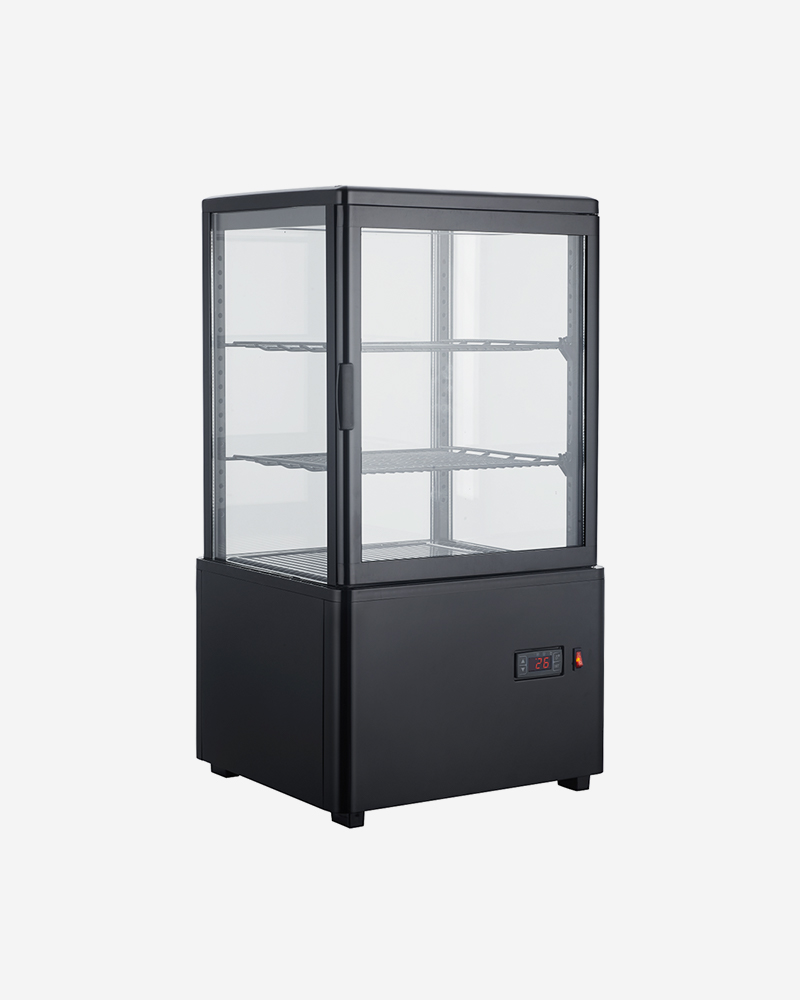
.jpg?imageView2/2/w/500/h/500/format/jp2/q/100 "Four Sides Glasses Display Cooler")
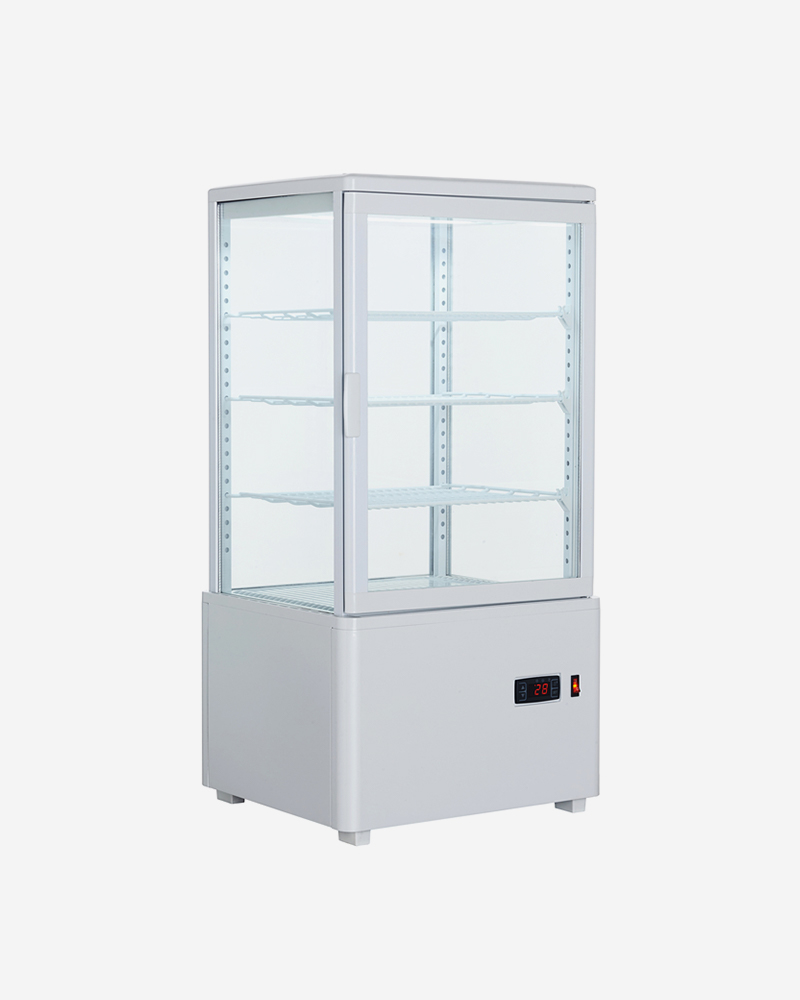
.jpg?imageView2/2/w/500/h/500/format/jp2/q/100 "White 4-Sided Glass Refrigerated Display Case")
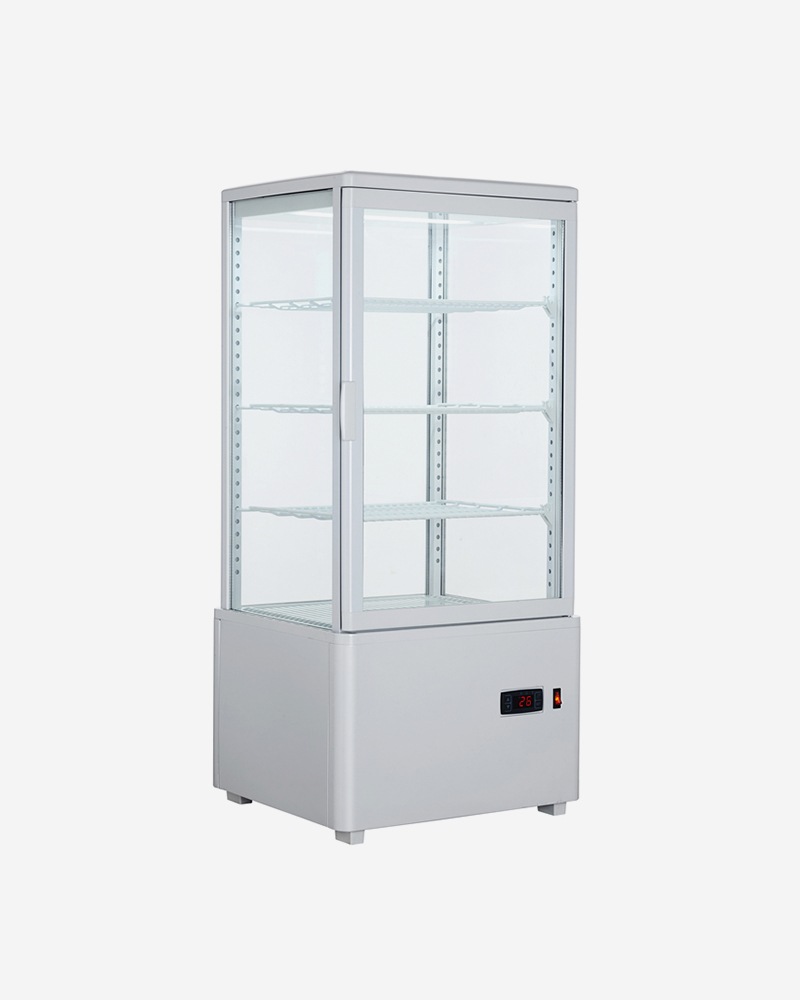
.jpg?imageView2/2/w/500/h/500/format/jp2/q/100 "Refrigerated Display Cake Countertop Four Sides Glasses Display Cooler")
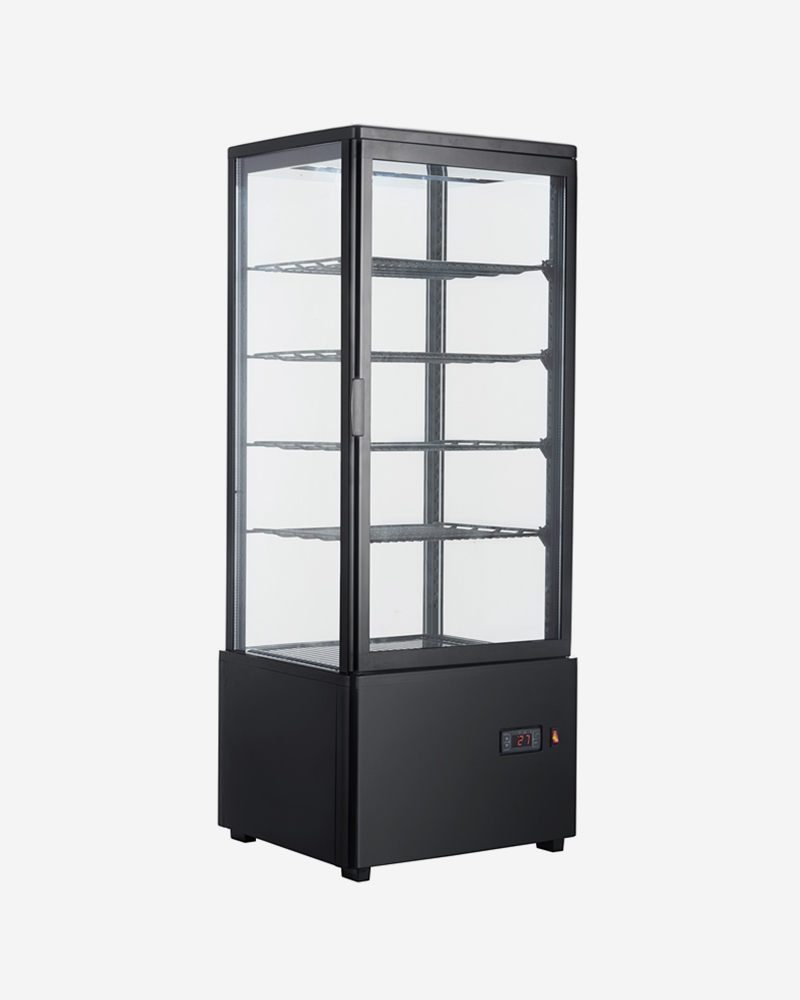
.jpg?imageView2/2/w/500/h/500/format/jp2/q/100 "Four Sides Glasses Display Cooler")

-
- Navigation
- Home
- About Us
- Products
- News
- Contact Us
 East Zone, Guanhaiwei Industrial Park, Cixi City, Ningbo, Zhejiang, China
 +86-574-63668678
 +86-574-63668108
Copyright © Ningbo XiangChi Electrical Co.,Ltd All Rights Reserved.
