
 简体中文
简体中文 English
 Español
News
Open Sliding Doors Refrigerated Showcase for High-Visibility Merchandising
In modern food retail, the refrigerated showcase is more than a cold storage device. It is a sales tool, a hygiene barrier, a merchandising platform, and a daily operating asset that affects energy use, product quality, store appearance, and customer experience. The Open Sliding Doors Refrigerated Showcase XCS-520L / 520Z / 720Z / 920Z / 1120Z series is designed for commercial environments that need attractive product presentation with reliable temperature control. It is especially suitable for supermarkets, convenience stores, bakeries, beverage shops, delicatessens, fruit stores, dairy sections, grab-and-go food areas, and other retail spaces where chilled products must be displayed clearly and accessed easily.
This showcase series combines a tall vertical presentation format, sliding door convenience, ventilated cooling, automatic defrost, a digital temperature controller, tempered glass, stainless steel construction, an advertising light box, independent switches, and mobile castors. These features allow operators to organize products efficiently while maintaining a temperature range of 2-10℃ / 35.6-50°F, which is appropriate for many chilled packaged foods and beverages. Compared with ordinary display coolers that rely on basic cabinet construction or less refined airflow design, this series emphasizes visibility, operational stability, and commercial durability.
Open Sliding Doors Refrigerated Showcase XCS-520L /520Z /720Z /920Z /1120Z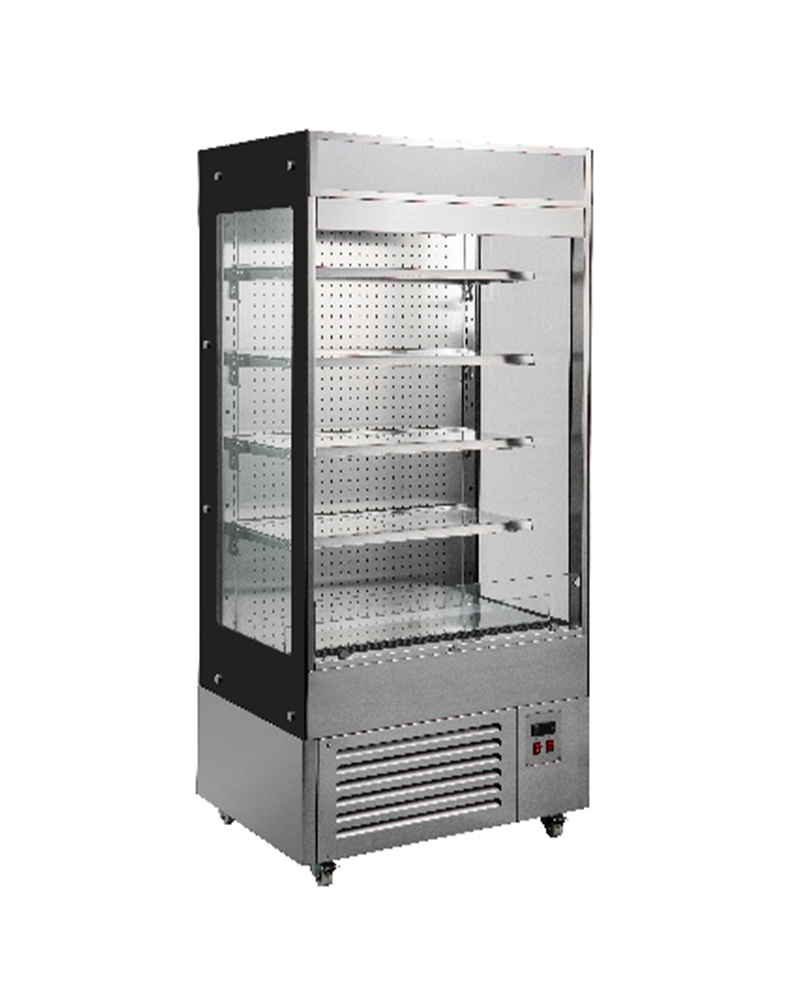
Product Positioning and Commercial Value
The XCS and XC series refrigerated showcases are part of the open display cooler product category, but their sliding door configuration gives them an important advantage over fully open-front merchandisers. Traditional open display coolers can encourage impulse buying because customers can reach products directly; however, they also face greater exposure to ambient air, higher energy consumption, and stronger sensitivity to store temperature changes. Sliding glass doors help reduce cold air loss while maintaining full product visibility. This makes the showcase suitable for stores that want an open, customer-friendly visual effect without accepting the operating cost and temperature fluctuation risks of a completely open cabinet.
The product is available in multiple capacities and cabinet lengths, including 520L and 720L specifications in the provided data, with additional series references extending to larger versions such as 920Z and 1120Z. This model range allows commercial buyers to select a cabinet according to available floor space, product volume, expected customer traffic, and merchandising layout. A small store may choose a compact 520L unit for drinks, yogurt, sandwiches, or chilled desserts, while a larger retail space may prefer a wider model for a stronger display wall and larger stock capacity.
A key commercial advantage is the balance between product visibility and refrigeration control. The tall cabinet height of approximately 1900 mm provides strong vertical display presence, while the tempered glass panels allow customers to see products quickly. The sliding doors reduce aisle obstruction compared with hinged doors, making the showcase practical in busy commercial areas. Customers can access products without stepping back to open a swinging door, and store employees can restock shelves more efficiently during peak operating hours.
Core Specifications
The following table summarizes the main available specification data for representative models in the series.
| Specification | XCS-520L | XC-520Z | XC-720Z |
| Gross Capacity | 520L / 18.4 cu.ft | 520L / 18.4 cu.ft | 720L / 25.4 cu.ft |
| Temperature Range | 2-10℃ / 35.6-50°F | 2-10℃ / 35.6-50°F | 2-10℃ / 35.6-50°F |
| Input Power | 1350W | 690W | 690W |
| Refrigerant | R290 | R290 | R290 |
| Climate Type | 3 | 4 | 4 |
| Net Weight | 180 kg | 190 kg | 214 kg |
| Gross Weight | 214 kg | 230 kg | 275 kg |
| Product Size | 900 × 656 × 1900 mm | 900 × 656 × 1900 mm | 1200 × 656 × 1900 mm |
| Product Size | 35.4 × 25.8 × 74.8 inch | 35.4 × 25.8 × 74.8 inch | 47.2 × 25.8 × 74.8 inch |
| Package Size | 970 × 750 × 2060 mm | 970 × 750 × 2060 mm | 1270 × 750 × 2060 mm |
| Package Size | 38.2 × 29.5 × 81.1 inch | 38.2 × 29.5 × 81.1 inch | 50.0 × 29.5 × 81.1 inch |
| Loading Quantity | 17 / 36 pcs for 20GP / 40HQ | 17 / 36 pcs for 20GP / 40HQ | 12 / 27 pcs for 20GP / 40HQ |
Design Advantages for Retail Merchandising
Retail display refrigeration must serve two purposes at the same time: it must protect the product and sell the product. A cabinet that cools well but hides merchandise behind poor lighting or an unattractive frame weakens sales performance. A cabinet that looks good but fails to maintain stable temperatures risks food quality, customer complaints, and product loss. The Open Sliding Doors Refrigerated Showcase is designed to address both priorities.
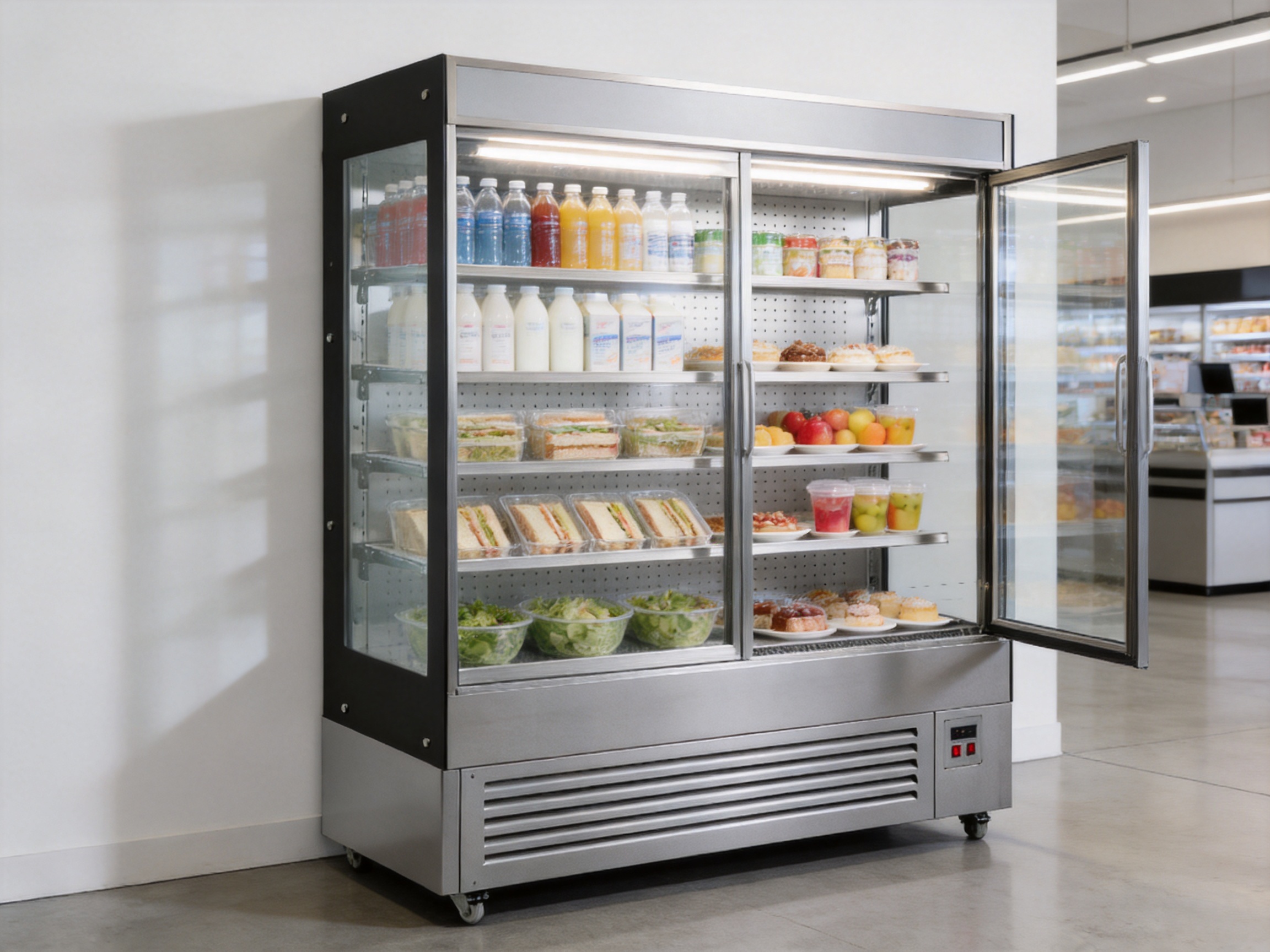
The front-facing glass and vertical structure create a high-visibility presentation zone. Beverages, dairy products, fruit cups, salads, cold meals, sushi packs, desserts, and packaged snacks can be arranged in clear rows for easy selection. The cabinet height allows multiple shelf levels, helping retailers display a broad product range within a modest footprint. For stores with limited floor area, vertical display density is especially important because it increases the number of products presented per square meter.
The light box for advertisement is another practical sales feature. Many ordinary refrigerators only provide cooling, leaving store owners to add separate signage. This model integrates a dedicated advertising area, allowing branding, promotional messages, product categories, or store identity to be displayed directly above the refrigerated section. In convenience retail, where customers often make quick decisions, visible labeling can guide purchasing behavior and increase impulse sales.
Separate power and light buttons improve daily control. Operators can manage lighting independently from the refrigeration system, which is useful during cleaning, restocking, off-peak periods, or maintenance checks. Independent controls are small details, but they support real-world efficiency by allowing staff to operate the unit according to business needs rather than a fixed all-or-nothing mode.
Sliding Doors: Energy Control Without Sacrificing Access
The sliding door option is one of the most important competitive advantages of this showcase. In a fully open display cooler, cold air is constantly challenged by warm ambient air, especially in stores with frequent door openings, strong lighting, high customer traffic, or air-conditioning airflow. This can increase compressor workload and may lead to unstable product temperatures. Sliding doors help contain refrigerated air inside the cabinet while keeping the products visible through glass.
Compared with hinged glass doors, sliding doors also provide space-saving benefits. Hinged doors require clearance in front of the cabinet, which can interfere with narrow aisles or customer movement. Sliding doors remain within the cabinet footprint, making them more practical in compact convenience stores, bakery corners, coffee shops, and checkout-area chilled displays. Customers can open one side, take the desired product, and close the door quickly.
Sliding doors also improve store organization. They reduce the chance that doors will be left wide open in busy areas and help protect products from dust, direct handling, and excessive exposure. For operators selling packaged fresh food, drinks, and chilled desserts, this added separation can support a cleaner display environment and a more premium impression.
When compared with lower-grade competitors that may use thin glass, weak frames, or poorly aligned sliding tracks, a well-manufactured sliding door system contributes directly to user satisfaction. Smooth sliding movement, stable sealing, and durable glass construction reduce maintenance problems and make the cabinet easier for customers and employees to use every day.
Ventilated Cooling for Consistent Product Conditions
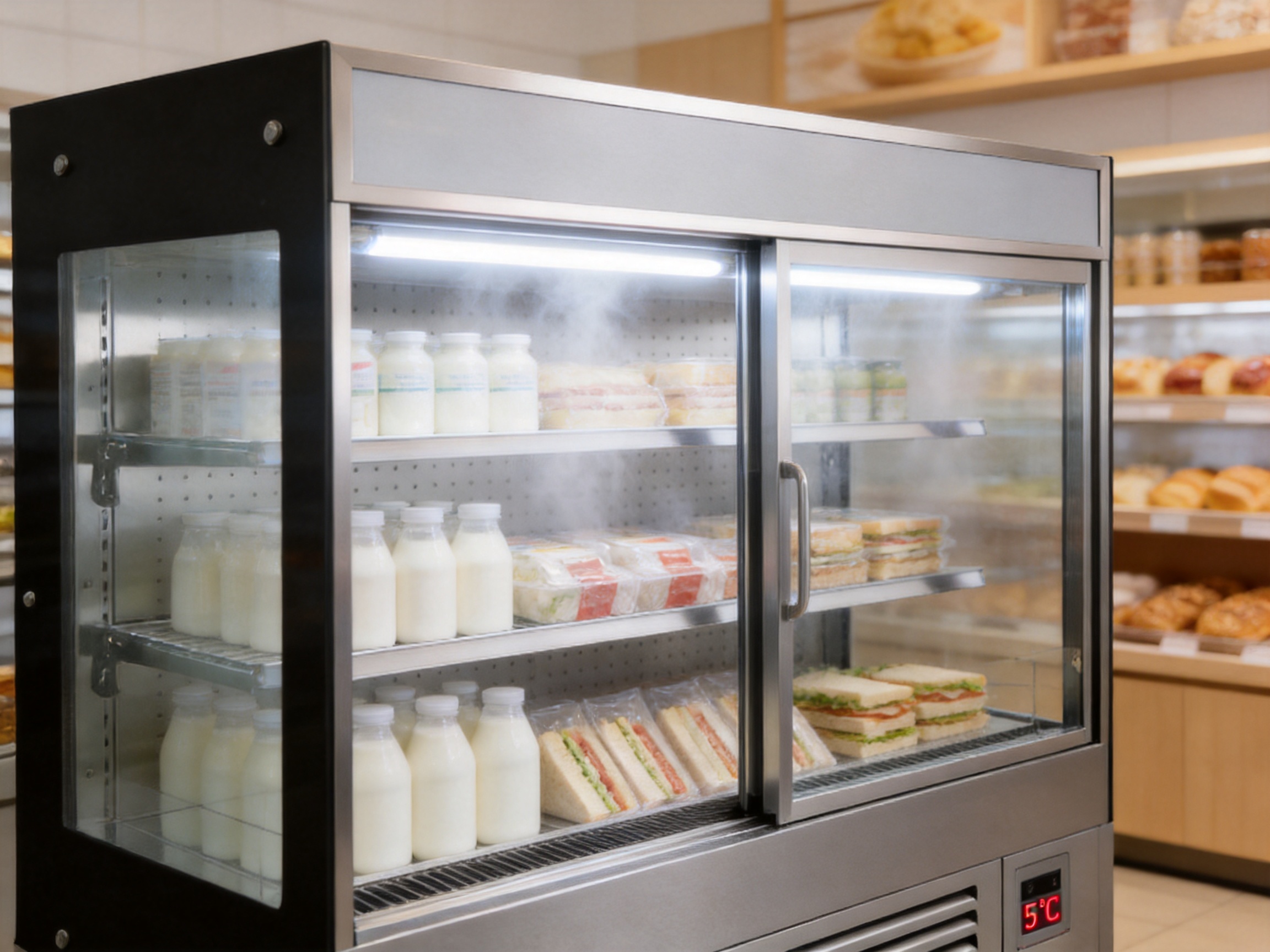
The showcase uses a ventilated cooling system, which is essential for commercial display refrigeration. In a static cooling cabinet, cold air distribution may be uneven, causing some areas to become too cold while others remain warmer. This can affect products placed at different levels. Ventilated cooling promotes air circulation throughout the cabinet, helping maintain more consistent conditions across the display space.
This matters especially for multi-shelf retail presentation. Products at the top, middle, and bottom should remain within the intended temperature range. If airflow is poorly managed, a retailer may experience product sweating, inconsistent cooling, or reduced shelf life. The ventilated system supports more uniform cooling performance, making the showcase suitable for diverse product categories that require stable chilled conditions.
Automatic defrost is another practical advantage. Frost accumulation can reduce cooling efficiency, block airflow, increase energy consumption, and create maintenance demands. Automatic defrost reduces manual intervention and helps keep the refrigeration system operating effectively. For busy retail environments, this reduces labor burden and minimizes downtime.
Compared with basic display coolers that require frequent manual defrosting or suffer from airflow imbalance, this showcase provides a more professional operating experience. It is designed for commercial users who need the cabinet to perform continuously, not only for occasional use.
Temperature Range and Product Applications
The 2-10℃ / 35.6-50°F temperature range makes the showcase appropriate for many chilled retail products. It can be used for bottled beverages, canned drinks, dairy products, packaged sandwiches, salads, fruit cups, cold desserts, bakery fillings, chilled snacks, and prepared food packs. For businesses that sell grab-and-go meals, this range supports attractive display while helping products remain cool and appealing.
In bakeries and cafes, the cabinet can be used to present chilled cakes, mousse cups, packaged desserts, and drinks near the point of sale. In convenience stores, it can function as a beverage and meal display. In supermarkets, it may serve as a promotional island or wall-side display for chilled items. In food courts or quick-service environments, it can help present ready-to-eat products while encouraging faster customer selection.
Because the cabinet combines visibility, lighting, and access convenience, it can improve product turnover. High turnover is critical for chilled food retail because freshness, presentation, and inventory movement are closely connected. A well-lit, neatly organized refrigerated showcase helps customers identify products quickly and encourages repeat purchases.
R290 Refrigerant and Environmental Responsibility
The series uses R290 refrigerant, a natural hydrocarbon refrigerant known for its low global warming potential compared with many conventional synthetic refrigerants. For commercial buyers, refrigerant selection is increasingly important because markets around the world are tightening environmental standards and encouraging lower-impact refrigeration solutions.
Using R290 helps position the showcase as a more future-oriented refrigeration choice. It allows distributors, retailers, and food service operators to align equipment purchasing with sustainability goals and changing regulatory expectations. In competitive markets, this can be a meaningful advantage, especially for businesses that promote environmentally responsible operations.
R290 also supports efficient refrigeration performance when the system is properly engineered. The value of the refrigerant is not only environmental; it must be matched with appropriate system design, production quality, component selection, and testing. This is where manufacturing capability becomes important. A professional manufacturer must control the refrigeration circuit, safety standards, charging accuracy, sealing quality, and final performance testing to ensure dependable operation.
Durable Construction for Commercial Environments
Commercial refrigerated showcases face continuous use. Doors are opened repeatedly, shelves are loaded and unloaded, surfaces are cleaned frequently, and equipment may be moved for store layout changes or maintenance. For this reason, durability is not optional; it is a core requirement.
The cabinet features a stainless steel body and tempered glass. Stainless steel provides a clean, professional appearance and strong resistance to commercial wear. It is easier to maintain than many lower-grade surface materials and supports a hygienic retail environment. Tempered glass improves safety and durability compared with ordinary glass. In public retail areas where customers interact directly with the cabinet, tempered glass is an important feature.
The unit also includes four castors with front two brakes. This design supports mobility while maintaining stability during operation. Store owners may need to reposition the showcase during installation, cleaning, seasonal layout changes, or promotional events. Castors reduce the labor required for movement, while front brakes help keep the unit secure after placement.
Competitor products without strong castors, reliable brakes, or durable panels may appear inexpensive at first but can create long-term inconvenience. A commercial refrigerator is not simply purchased once; it is used every day. Strong cabinet construction helps protect the buyer’s investment by reducing operational disruption and extending usable service life.
Digital Temperature Controller and Operational Confidence
A digital temperature controller and display give operators direct visibility over cabinet conditions. Instead of relying on guesswork, staff can check temperature information quickly. This improves operational confidence and supports better food safety management. For stores with multiple employees or shift changes, visible controls help standardize daily procedures.
The digital controller also supports a more professional impression. Customers may not evaluate technical components directly, but they do notice whether a display looks modern, clean, and controlled. A cabinet with clear temperature display communicates that the store takes product storage seriously.
Compared with older mechanical control systems, digital control can provide easier monitoring and more precise adjustment. For products that are sensitive to temperature fluctuations, this helps maintain quality and consistency. It also simplifies troubleshooting because staff can identify abnormal temperatures more easily and respond before product loss occurs.
Model Selection and Store Planning
The 520L models are suitable for stores that need a relatively compact but high-capacity vertical showcase. With a product size of 900 × 656 × 1900 mm, they fit well along walls, near checkout areas, in beverage zones, or beside food preparation counters. Their 520L gross capacity provides useful storage volume without occupying excessive floor width.
The 720L model increases the cabinet width to 1200 mm while maintaining the same depth and height. This gives retailers more display frontage and greater capacity. For higher-traffic locations, the 720L model can present more product lines at once, reducing restocking frequency and improving customer selection.
The larger series references, including 920Z and 1120Z, suggest that the product family can support broader retail layouts. Larger stores can create a continuous chilled display section using wider models, while smaller stores can use compact versions for focused product categories. This scalability is an advantage for distributors and chain operators because it allows consistent design language across different store formats.
When selecting a model, buyers should consider product type, daily sales volume, aisle width, restocking schedule, ambient temperature, and visual merchandising goals. A beverage-heavy store may need wider display frontage for brand variety. A bakery may value lighting and glass clarity for dessert presentation. A convenience store may prioritize compact footprint and sliding door access. This series offers flexibility across these scenarios.
Advantages Over Common Competitor Designs
Many refrigerated display cabinets look similar at first glance, but the differences become clear in daily operation. The Open Sliding Doors Refrigerated Showcase offers several advantages compared with ordinary market alternatives.
First, the combination of sliding doors and clear display helps balance energy control and customer access. Fully open coolers can lose cold air rapidly, while some door-type cabinets reduce impulse visibility. This showcase maintains visibility while helping contain temperature conditions.
Second, the ventilated cooling and automatic defrost system make it better suited for continuous commercial use than simple static-cooling cabinets. Air circulation and reduced frost buildup help maintain stable operation and reduce manual maintenance.
Third, the use of R290 refrigerant supports modern environmental expectations. Buyers who want to future-proof equipment choices can benefit from selecting refrigeration systems designed around lower-impact refrigerant technology.
Fourth, the stainless steel body and tempered glass provide stronger commercial durability than cabinets built with weaker frames, lower-grade panels, or ordinary glass. For retail environments with high traffic, durability translates into lower risk and better long-term value.
Fifth, the advertising light box and independent lighting control enhance merchandising. Many low-cost competitors focus only on refrigeration, but this series recognizes that display equipment must also support sales. Attractive presentation can improve customer attention and help stores promote featured products.
Sixth, castors with front brakes make installation and cleaning easier. This is a practical advantage that operators appreciate after purchase. Equipment that is difficult to move or stabilize can create ongoing inconvenience.
Manufacturing Strength Behind the Product
Ningbo XiangChi Electrical Co., Ltd manufactures commercial refrigeration equipment with a focus on vertical display cabinets, cake cabinets, and warming cabinets. Established in 2007, the company has accumulated more than a decade of industry experience and operates from a modern manufacturing base of approximately 40,000 square meters. This scale supports stable production, product development, quality control, and export supply.
Advanced manufacturing strength matters because commercial refrigeration performance depends on much more than external appearance. A reliable showcase requires accurate sheet metal fabrication, controlled cabinet foaming, precise assembly, refrigerant circuit integrity, electrical safety, airflow design, temperature testing, and packaging protection. Each step affects final performance. A company with specialized production lines and experienced technical teams can maintain more consistent product quality than general-purpose suppliers.
The company’s professional research and development team supports product innovation and improvement. For a refrigerated showcase, R&D capability can influence cabinet structure, airflow distribution, energy performance, user convenience, door design, lighting layout, and compatibility with market requirements. As retail formats evolve, refrigeration products must adapt to new expectations for efficiency, appearance, sustainability, and ease of maintenance.
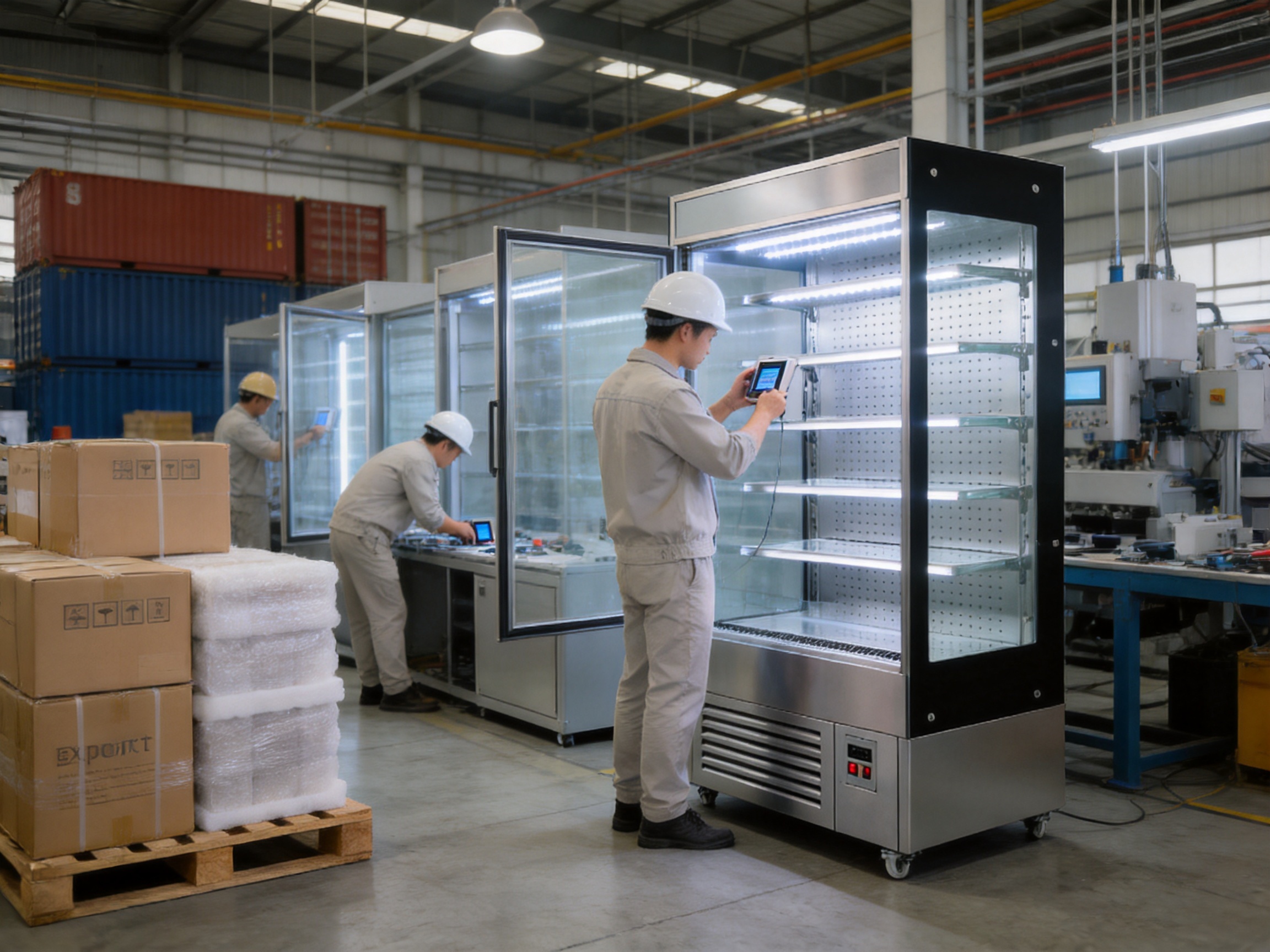
Testing facilities are another core strength. Commercial refrigerators must perform under demanding conditions. They must maintain temperature range, withstand long operating hours, manage defrost cycles, remain electrically safe, and survive transportation. Advanced testing allows the manufacturer to verify performance before products reach customers. This reduces the risk of field problems and supports buyer confidence.
The company has obtained major certifications including CE, GS, CCC, CB, ROHs, and ETL. These certifications indicate attention to international market requirements and product compliance. For distributors and importers, certification support can simplify market entry and strengthen customer trust. It also shows that the manufacturer is familiar with the expectations of global buyers.
Production Process and Quality Control
A commercial refrigerated showcase begins with design and engineering. The cabinet must be planned around cooling performance, usability, safety, appearance, and production repeatability. Dimensions, airflow channels, insulation thickness, component placement, door movement, glass structure, and electrical layout must work together. Poor design can lead to uneven temperatures, condensation, difficult servicing, or weak structural stability.
Material preparation is the next important stage. Stainless steel panels and structural components must be cut, shaped, and assembled accurately. Consistent dimensions help ensure that doors align, glass fits correctly, and insulation cavities are properly formed. In display refrigeration, appearance matters, but dimensional accuracy also affects sealing and cooling performance.
Foaming and insulation quality are critical. Insulation helps reduce heat transfer from the surrounding environment into the refrigerated cabinet. If foaming is uneven or incomplete, the compressor must work harder and cabinet temperatures may become less stable. A professional production process controls this stage carefully to support efficiency and durability.
Refrigeration system assembly requires experienced technicians and strict process control. The compressor, condenser, evaporator, capillary or expansion device, fans, pipes, and refrigerant charge must be matched and installed correctly. Because the series uses R290 refrigerant, safety and charging accuracy are especially important. Proper sealing and leak testing protect both performance and user safety.
Electrical assembly includes the digital temperature controller, display, lighting, switches, fans, and safety wiring. The independent power and light buttons must be reliable for daily use. Professional wiring arrangement improves serviceability and reduces operational risks.
Final testing verifies that each unit meets performance expectations. Temperature pull-down, running stability, defrost operation, lighting function, door movement, noise level, and visual quality may all be checked before shipment. Packaging is also important because display refrigerators include glass and finished surfaces. Strong packaging helps protect the product during container loading and international transportation.
Logistics and Export Practicality
The product data includes loading quantities for 20GP and 40HQ containers, which is important for international buyers. The 520L models can be loaded at approximately 17 pieces in a 20GP container and 36 pieces in a 40HQ container. The 720L model can be loaded at approximately 12 pieces in a 20GP container and 27 pieces in a 40HQ container. These figures help distributors estimate landed cost, inventory planning, and warehouse requirements.
The package sizes are designed to protect the units while allowing containerized shipment. For the 520L models, the package size is 970 × 750 × 2060 mm. For the 720L model, the package size is 1270 × 750 × 2060 mm. Buyers can use these details to plan unloading equipment, storage space, and delivery routes.
For export business, consistency is as important as the product itself. Retail chains and distributors need suppliers who can provide stable specifications, documentation, packaging quality, and after-sales communication. A manufacturer with international certification experience and an established export background is better positioned to support long-term cooperation.
Use Cases in Different Business Environments
In a convenience store, the showcase can be placed near the entrance, along a beverage aisle, or close to the checkout area. The advertising light box can highlight cold drinks, meal deals, or seasonal promotions. Sliding doors allow quick access even in narrow aisles, while the vertical display maximizes product exposure.
In a bakery or dessert shop, the cabinet can display chilled cakes, mousse, cream desserts, bottled drinks, and packaged sweets. The glass presentation helps customers view product colors and shapes, while the stainless steel and glass construction supports a clean and professional store image.
In a supermarket, the cabinet can be used for promotional chilled items, dairy products, fresh-cut fruit, ready-to-eat meals, or specialty beverages. The larger models can create stronger product blocks, helping customers recognize categories quickly. The sliding door design helps reduce cold air loss in high-traffic spaces.
In a cafe or quick-service restaurant, the showcase can support grab-and-go sales. Customers can select sandwiches, salads, desserts, and beverages without waiting for staff assistance. This improves service speed and can increase average order value.
In a corporate pantry, school store, hospital shop, or transportation hub, the showcase can provide accessible chilled products while maintaining a neat appearance. The mobility provided by castors is useful in multi-purpose spaces where layout may change.
Merchandising Strategies for Better Sales
The effectiveness of a refrigerated showcase depends not only on hardware but also on how it is used. Retailers can improve performance by organizing products according to customer decision patterns. Popular items should be placed at eye level, while complementary products can be grouped together. For example, bottled coffee can be displayed near sandwiches, yogurt near fruit cups, and premium desserts near beverages.
The advertising light box should be used strategically. Instead of leaving it generic, store owners can use it for brand identity, product category labeling, seasonal promotions, or bundle messages. A clear sign above a chilled display helps customers understand the offer quickly.
Lighting should be kept clean and functional. Bright, even lighting improves perceived freshness and product quality. Dirty glass, blocked shelves, or cluttered arrangements can reduce the value of even the best refrigerator. Regular cleaning and organized restocking help maximize the showcase’s visual effect.
Operators should avoid overloading shelves in a way that blocks airflow. Ventilated cooling depends on air movement, so products should be arranged with sufficient space for circulation. Proper loading helps maintain temperature stability and reduces stress on the refrigeration system.
Maintenance and Daily Operation
Daily operation should include checking the digital temperature display, ensuring doors slide smoothly, keeping air outlets clear, and cleaning glass surfaces. Staff should close doors promptly after restocking or customer use. Although sliding doors reduce cold air loss, performance is best when doors are not left open unnecessarily.
Regular cleaning of shelves, interior surfaces, and glass helps maintain hygiene and presentation quality. The stainless steel body supports easier cleaning, while tempered glass provides a durable viewing surface. Operators should use appropriate cleaning materials and avoid abrasive tools that may damage surfaces.
The condenser area should be inspected and cleaned according to operating conditions. Dust buildup can reduce heat exchange efficiency and increase energy consumption. In busy or dusty environments, more frequent cleaning may be necessary.
Automatic defrost reduces manual workload, but operators should still monitor for abnormal frost, unusual noise, poor cooling, or door sealing issues. Early attention to small problems helps prevent larger repairs and product loss.
Why This Showcase Supports Long-Term Value
The best commercial refrigeration equipment is not always the cheapest at purchase. Long-term value depends on reliability, energy behavior, product protection, sales support, maintenance convenience, and supplier capability. The Open Sliding Doors Refrigerated Showcase provides value through its combination of commercial design features and manufacturing background.
Its sliding door structure helps reduce cold air loss compared with open-front cabinets. Its ventilated cooling system supports temperature consistency. Its automatic defrost reduces maintenance burden. Its R290 refrigerant aligns with modern environmental expectations. Its stainless steel body and tempered glass improve durability and appearance. Its digital controller gives operators clear monitoring. Its advertising light box turns the cabinet into a promotional display. Its castors and brakes simplify placement and cleaning.
These features work together to create a practical commercial tool. For a retailer, the cabinet can help protect inventory, improve product visibility, support store branding, and reduce operational inconvenience. For a distributor, the model range, container loading information, certification background, and manufacturer experience support marketability and long-term cooperation.
Company Capability and Customer Support
Ningbo XiangChi Electrical Co., Ltd is located in the East Zone of Guanhaiwei Industrial Park, Cixi City, Ningbo, Zhejiang, China. The company focuses on commercial refrigeration and display equipment, including vertical display coolers, countertop display coolers, cake showcases, sushi showcases, open display coolers, display warmers, and four-sided glass freezers. This product range demonstrates specialized experience in temperature-controlled merchandising equipment.
The company’s development philosophy emphasizes innovation, quality, and service. For international customers, this combination is important. Innovation supports updated product designs. Quality supports stable operation. Service supports communication, customization discussions, documentation, and long-term cooperation. A supplier that understands both manufacturing and market needs can help buyers compete more effectively.
With its modern factory, R&D resources, testing facilities, and certification experience, the company is positioned to support wholesalers, distributors, retail chains, and food service equipment suppliers. The Open Sliding Doors Refrigerated Showcase reflects this broader capability by combining functional refrigeration with commercial display features.
Q&A Section
What products can be displayed in this refrigerated showcase?
The showcase is suitable for many chilled products, including bottled drinks, dairy products, packaged sandwiches, salads, fresh-cut fruit, cold desserts, bakery items, ready-to-eat meals, and other products that match the 2-10℃ / 35.6-50°F operating range.
Why are sliding doors useful for retail refrigeration?
Sliding doors help reduce cold air loss while keeping products visible. They also save aisle space because they do not swing outward. This makes them convenient for convenience stores, bakeries, supermarkets, cafes, and other locations with frequent customer access.
How does this showcase compare with a fully open display cooler?
A fully open display cooler offers direct access but usually loses more cold air to the surrounding environment. This sliding door showcase provides strong visibility and customer access while helping maintain better temperature stability and potentially reducing refrigeration workload.
What is the advantage of R290 refrigerant?
R290 is a natural refrigerant with low global warming potential. It supports environmentally responsible refrigeration solutions and helps buyers prepare for stricter sustainability expectations in many markets.
Does the cabinet support promotional display?
Yes. The showcase includes a light box for advertisement, allowing operators to display branding, product category labels, or promotional messages directly on the cabinet.
Is the unit easy to move?
Yes. The cabinet is equipped with four castors, and the front two include brakes. This makes it easier to move the unit for installation, cleaning, or layout changes, while still allowing stable placement during operation.
What makes the cooling system suitable for commercial use?
The ventilated cooling system promotes air circulation inside the cabinet, helping maintain more even temperatures across multiple shelves. Automatic defrost reduces frost-related maintenance and supports continuous operation.
Which model should a buyer choose?
A smaller store or focused product display may choose a 520L model, while a higher-traffic retail area may prefer a 720L or larger model for wider display frontage and greater capacity. Selection should be based on floor space, product volume, customer traffic, and merchandising goals.
What manufacturing strengths support this product?
The manufacturer has experience in commercial refrigeration, a modern factory of approximately 40,000 square meters, a professional R&D team, advanced testing facilities, and certifications including CE, GS, CCC, CB, ROHs, and ETL. These strengths support product consistency and international market requirements.
How should operators maintain the showcase?
Operators should monitor the digital temperature display, keep air outlets clear, clean glass and stainless steel surfaces regularly, avoid blocking airflow with overloaded shelves, check door movement, and clean the condenser area as needed.
Conclusion
The Open Sliding Doors Refrigerated Showcase XCS-520L / 520Z / 720Z / 920Z / 1120Z series is designed for commercial buyers who need reliable refrigeration, strong product visibility, and practical daily operation. Its sliding glass doors offer an effective compromise between open access and temperature control. Its ventilated cooling, automatic defrost, R290 refrigerant, stainless steel body, tempered glass, digital controller, advertising light box, and castor-supported mobility make it a strong choice for modern chilled merchandising.
Beyond the product itself, the manufacturing strength behind the showcase adds important value. A professional factory with extensive experience, R&D capability, testing facilities, international certifications, and a broad commercial refrigeration product range can provide the consistency and support that global buyers require. For retailers, distributors, and food service operators seeking a durable and attractive refrigerated display solution, this showcase series offers a practical balance of performance, presentation, and long-term commercial value.
References
ASHRAE Handbook: Refrigeration, American Society of Heating, Refrigerating and Air-Conditioning Engineers.
Commercial Refrigeration Equipment: Energy Performance and Design Principles, International Institute of Refrigeration.
Food Retail Display Refrigeration Guidelines, Refrigeration Service Engineers Society.
Hydrocarbon Refrigerants in Commercial Applications, Refrigeration Industry Technical Review.
Principles of Food Storage Temperature Management, Food Safety and Retail Operations Manual.
Product: Open Sliding Doors Refrigerated Showcase XCS-520L /520Z /720Z /920Z /1120Z

You May Also Like
.jpg?imageView2/2/w/500/h/500/format/jp2/q/100 "Four Sides Glasses Display Cooler")
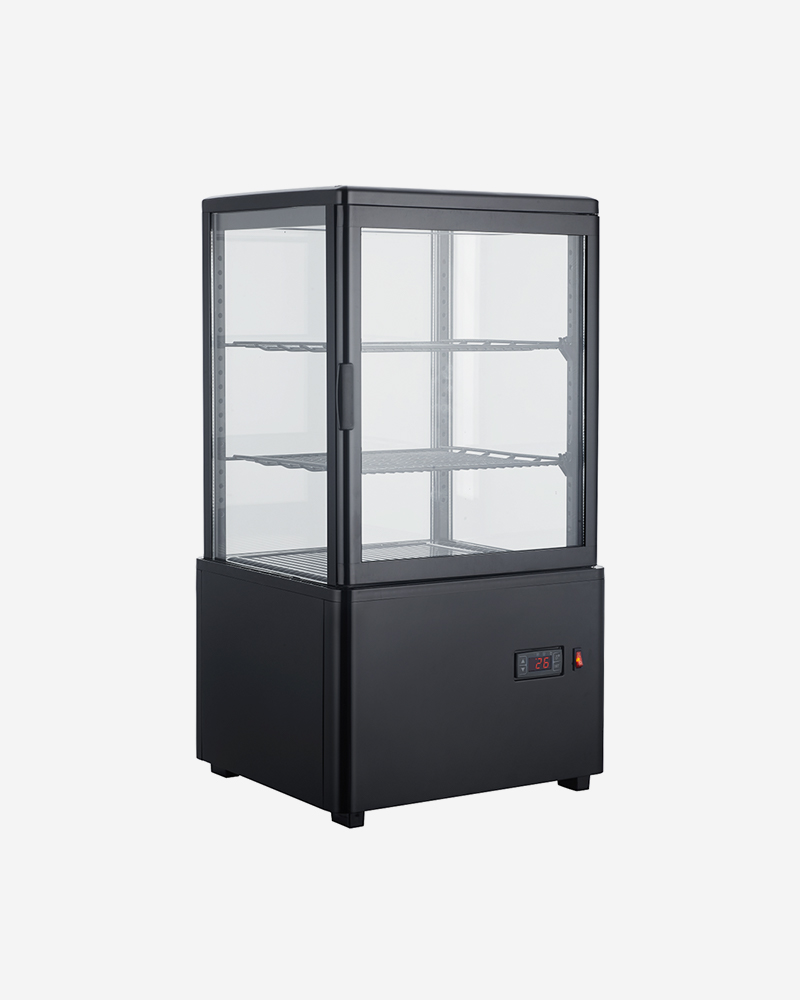
.jpg?imageView2/2/w/500/h/500/format/jp2/q/100 "White 4-Sided Glass Refrigerated Display Case")
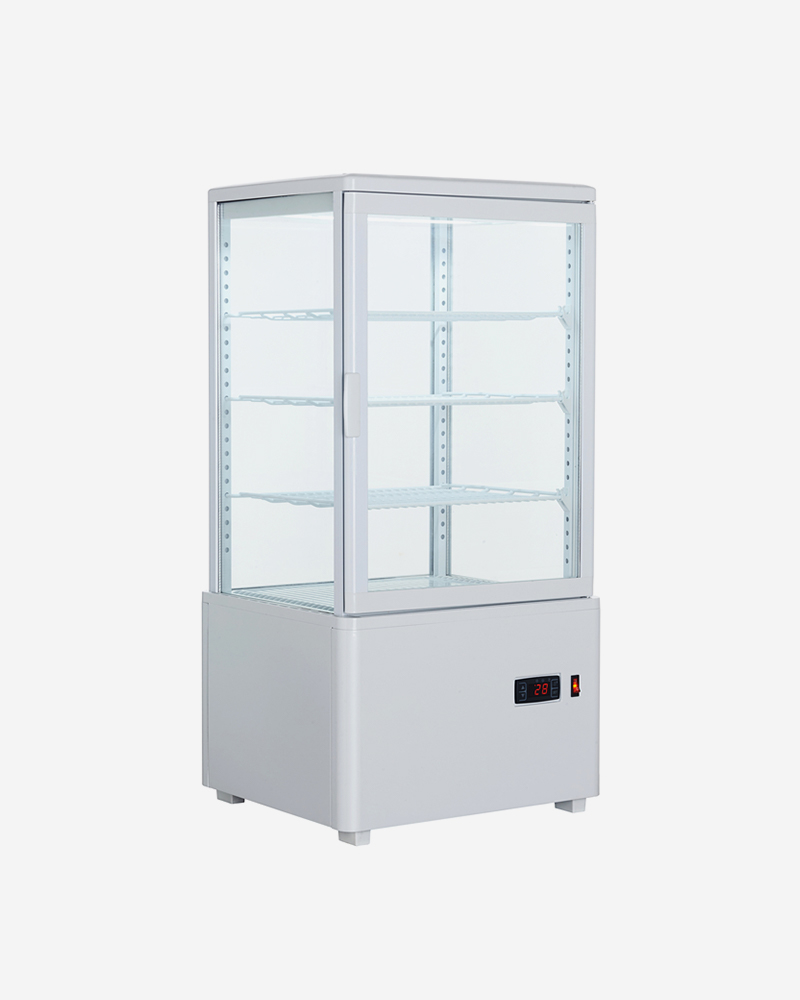
.jpg?imageView2/2/w/500/h/500/format/jp2/q/100 "Refrigerated Display Cake Countertop Four Sides Glasses Display Cooler")
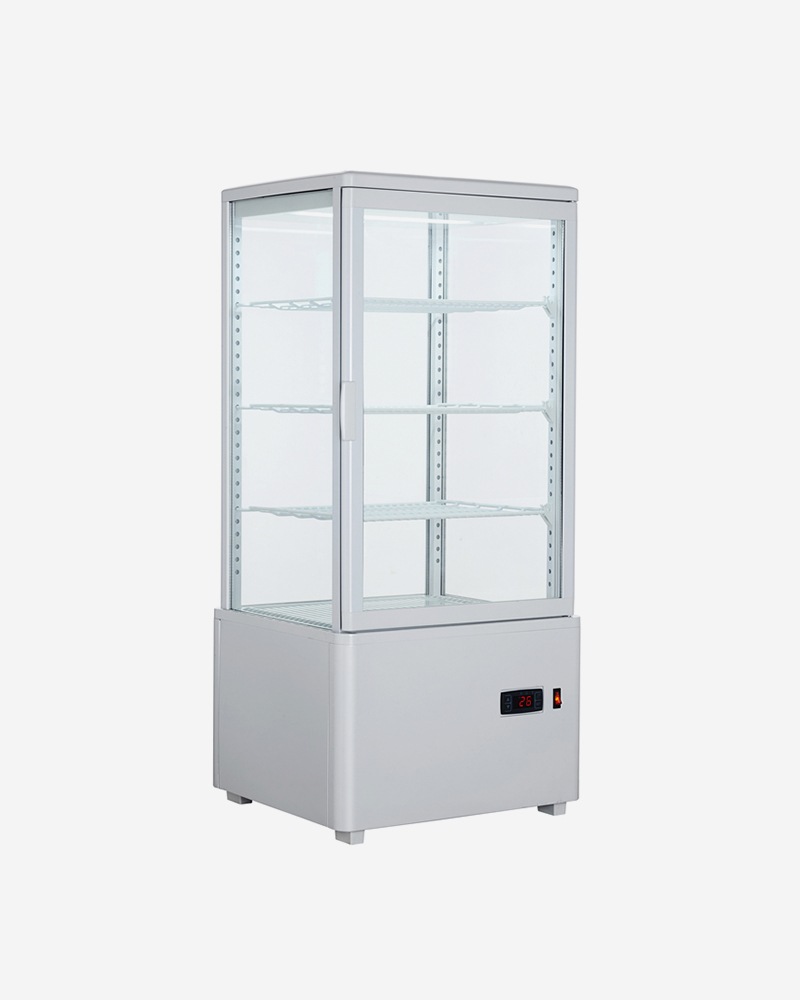
.jpg?imageView2/2/w/500/h/500/format/jp2/q/100 "Four Sides Glasses Display Cooler")
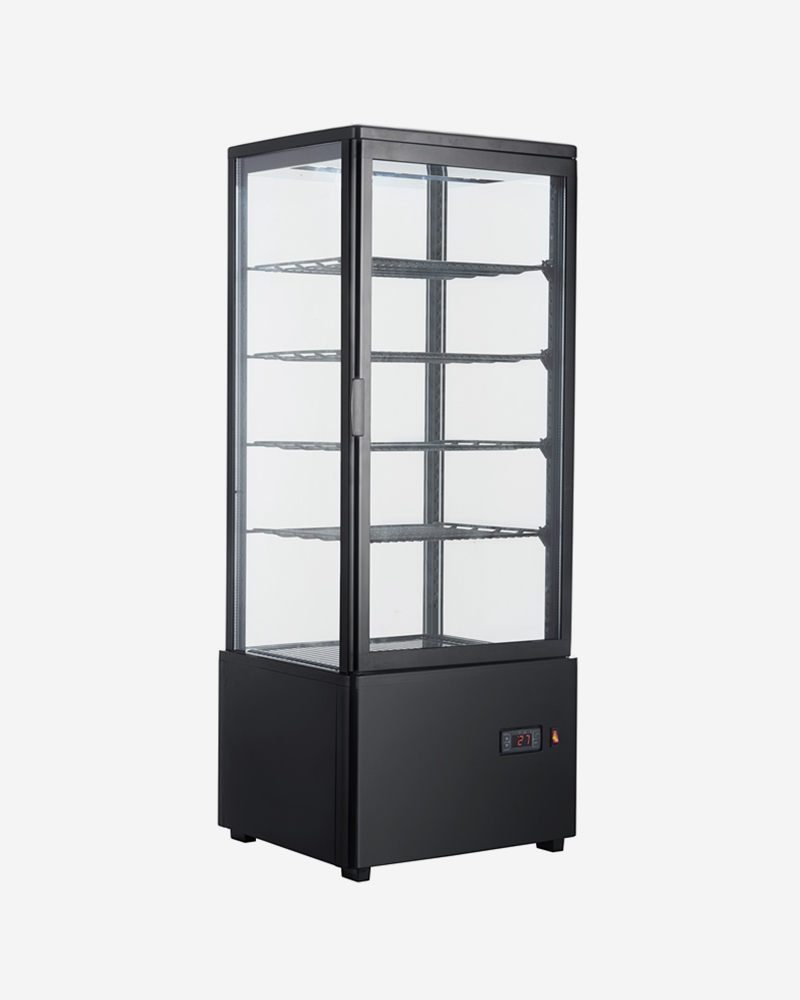

-
- Navigation
- Home
- About Us
- Products
- News
- Contact Us
 East Zone, Guanhaiwei Industrial Park, Cixi City, Ningbo, Zhejiang, China
 +86-574-63668678
 +86-574-63668108
Copyright © Ningbo XiangChi Electrical Co.,Ltd All Rights Reserved.
