
 简体中文
简体中文 English
 Español
News
Countertop Front Curved Glass Display Refrigerators: Redefining Compact Commercial Cooling
In today’s fast-paced commercial landscape, the need for efficient, reliable, and visually appealing display refrigeration has never been greater. From small bakeries and cozy cafés to bustling convenience stores and quick-service restaurants, businesses rely on compact display fridges to showcase perishable products while keeping them fresh and accessible. The Countertop Front Curved Glass Display Refrigerators (XCW-3/4/5 series) emerge as a game-changer in this space, combining innovative design, energy efficiency, and robust performance to meet the evolving demands of modern operators. This article explores the key features of the XCW series, its competitive advantages over traditional models, the advanced manufacturing processes behind its excellence, and its real-world applications across various industries.
Before diving into the details, it’s important to understand the core specifications that make the XCW series stand out. The following table outlines the key metrics for each model in the series:
| Specification | XCW3 | XCW4 | XCW5 |
|---|---|---|---|
| Model | XCW3 | XCW4 | XCW5 |
| Capacity-Gross | 113L / 4.0 cu.ft | 148L /5.2 cu.ft | 184L /6.5 cu.ft |
| Temperature Range | 2–10°C /35.6–50°F | 2–10°C /35.6–50°F | 2–10°C /35.6–50°F |
| Input Power | 120W | 120W | 120W |
| Refrigerant | R290 | R290 | R290 |
| Climate Type | 6 | 6 | 6 |
| Net Weight | 46kg | 55kg | 69kg |
| Gross Weight | 63kg | 76.5kg | 94kg |
| Product Size (mm) | 985×530×555 | 1285×530×555 | 1585×530×555 |
| Product Size (inch) | 38.8×20.9×21.9 | 50.6×20.9×21.9 | 62.4×20.9×21.9 |
| Package Size (mm) | 1070×635×720 | 1370×635×720 | 1670×635×720 |
| Package Size (inch) | 42.1×25.0×28.3 | 53.9×25.0×28.3 | 65.7×25.0×28.3 |
| Loading Quantity (20GP/40HQ) | 54 /108 pcs | 39 /78 pcs | 36 /75 pcs |
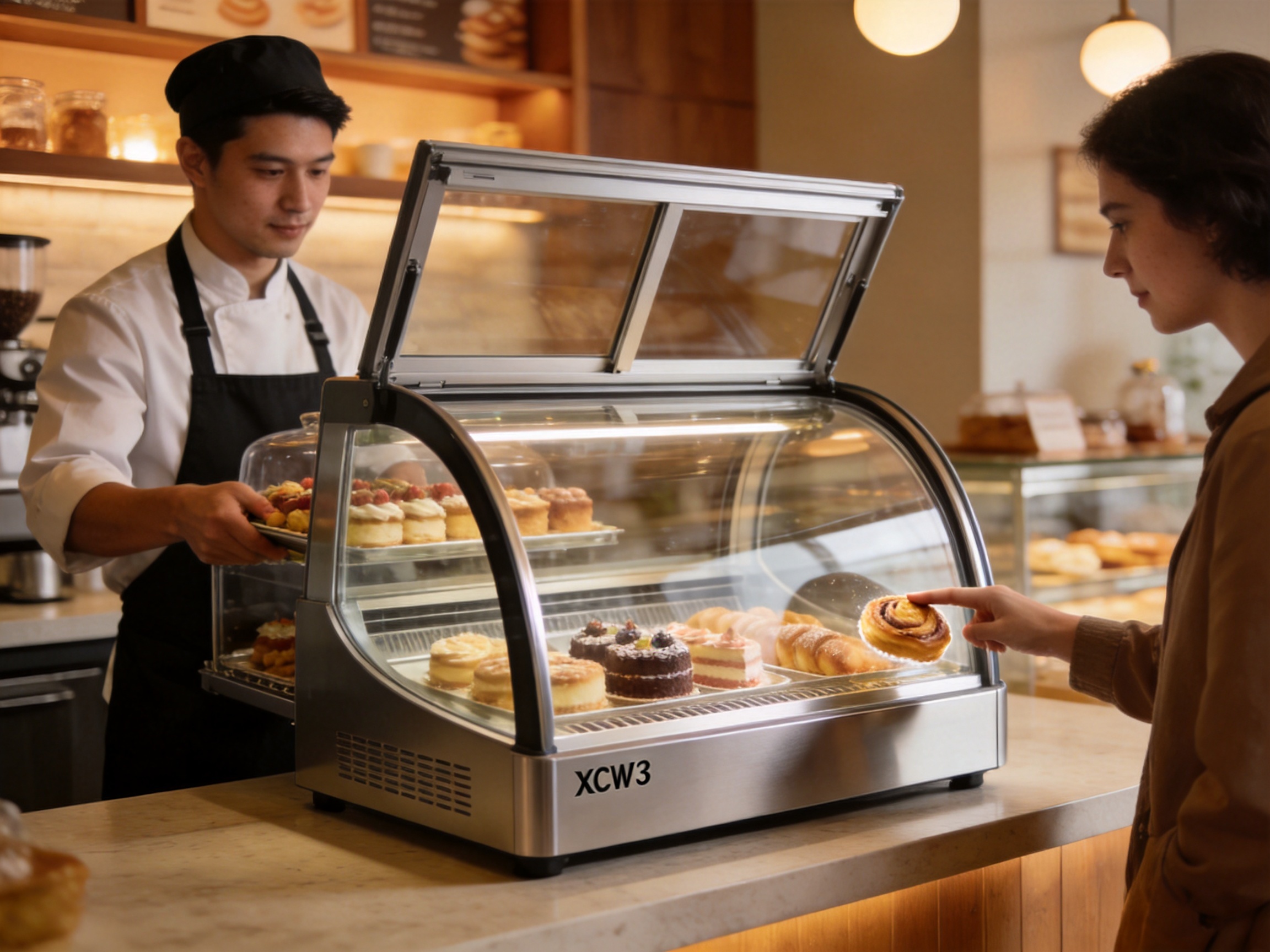
Key Advantages Over Competitors: Why the XCW Series Stands Out
The XCW series distinguishes itself from traditional countertop display refrigerators through a combination of design innovation, energy efficiency, and user-centric features. Below are the core advantages that make it a top choice for commercial operators:
1. Energy Efficiency: Lower Costs, Greener Footprint
One of the most significant pain points for commercial operators is high energy consumption. The XCW series addresses this with an input power of just 120W across all models—substantially lower than the industry average of 150–200W for similar-sized units. This translates to significant cost savings over time: for a business operating 8 hours a day, 365 days a year, the XCW series consumes approximately 350 kWh annually, compared to 438 kWh for a 150W model. At an average commercial electricity rate of $0.15 per kWh, this difference amounts to $13.20 in annual savings per unit—an important figure for businesses with multiple fridges.
Beyond cost savings, the XCW series uses R290, a hydrocarbon refrigerant with a global warming potential (GWP) of just 3. This is a stark contrast to commonly used refrigerants like R134a (GWP 1430) and R404A (GWP 3922), which contribute significantly to climate change. R290 is also compliant with strict environmental regulations, including the EU F-Gas Regulation and the U.S. EPA’s SNAP program, making it a future-proof choice for businesses looking to reduce their carbon footprint.
2. Compact Size with Maximum Storage Capacity
Space is a premium in most commercial settings, especially in small cafés or convenience stores. The XCW series is designed to maximize storage capacity without sacrificing countertop space. For example, the XCW3 model (985×530×555 mm) offers 113L of gross capacity—10–15% more than similar models in its size category. This is achieved through optimized interior design, including adjustable shelves and minimal wasted space around the cooling components.
The series also offers three size options (XCW3, XCW4, XCW5) to cater to different needs: the XCW3 is ideal for small bakeries displaying pastries, while the XCW5 is perfect for convenience stores stocking chilled drinks and snacks. This flexibility allows operators to choose the model that best fits their space and product lineup.
3. Enhanced Visibility and Customer Appeal
The front curved glass design of the XCW series is a key differentiator. Unlike flat glass, curved glass minimizes glare and distortion, allowing customers to view products clearly from multiple angles. This is critical for driving impulse purchases—studies show that products displayed with clear, unobstructed visibility are 20% more likely to be bought (Grand View Research, 2023). The glass is also made from high-quality, scratch-resistant material that maintains clarity over time, even with frequent cleaning.
Additionally, the XCW series features front and back sliding doors, which offer dual access points. This is ideal for businesses where staff need to restock from the back while customers access products from the front. The doors are equipped with smooth-gliding mechanisms that require minimal effort to open, reducing wear and tear and ensuring quick access for both staff and customers.
4. Durability and Reliability in Diverse Environments
Commercial refrigerators must withstand heavy use and varying environmental conditions. The XCW series is rated for Climate Type 6, meaning it can operate reliably in ambient temperatures ranging from 16°C to 43°C (60.8°F to 109.4°F). This makes it suitable for use in tropical regions, as well as in busy spaces where ambient temperatures may fluctuate (e.g., near ovens in bakeries or under direct sunlight in convenience stores).
The series also features a robust construction, with stainless steel components and insulated walls that minimize temperature loss. This durability is backed by multiple international certifications, including CE, GS, CCC, CB, RoHS, and ETL—indicating compliance with strict safety and performance standards in key global markets.
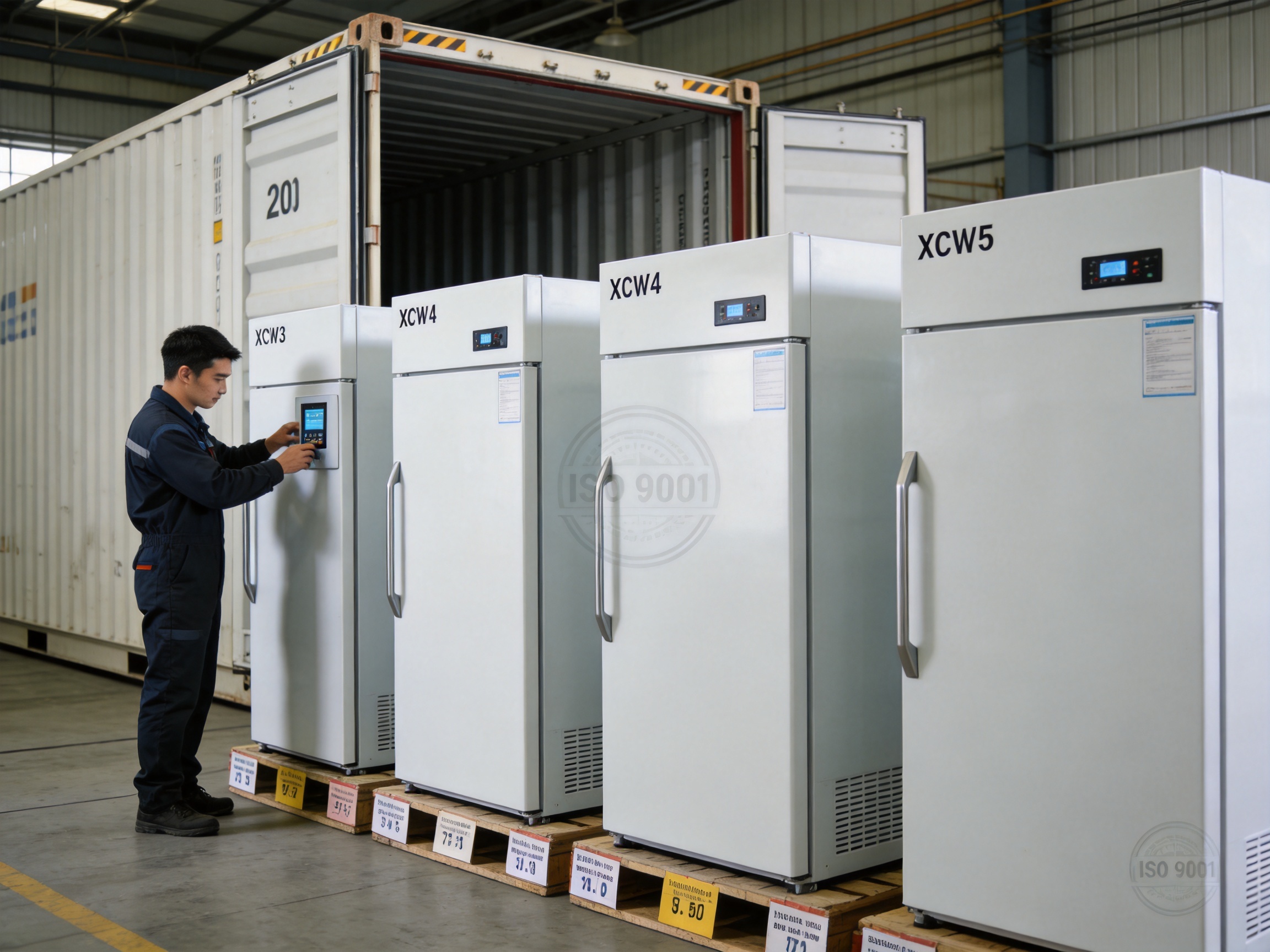
Advanced Manufacturing Processes: Behind the Excellence
The XCW series is the result of years of research, development, and rigorous testing by a leading Chinese manufacturer with over 10 years of experience in commercial refrigeration. The company’s 40,000 sqm modern factory is equipped with advanced production lines and testing facilities, ensuring that every unit meets the highest standards of quality and performance.
1. Precision Engineering and Material Selection
The manufacturing process begins with precision engineering, where the R&D team uses computer-aided design (CAD) software to optimize every component of the fridge. This includes the layout of the cooling system, the design of the glass doors, and the placement of shelves to maximize storage capacity. The team also conducts extensive market research to understand the needs of commercial operators, incorporating feedback into each new model.
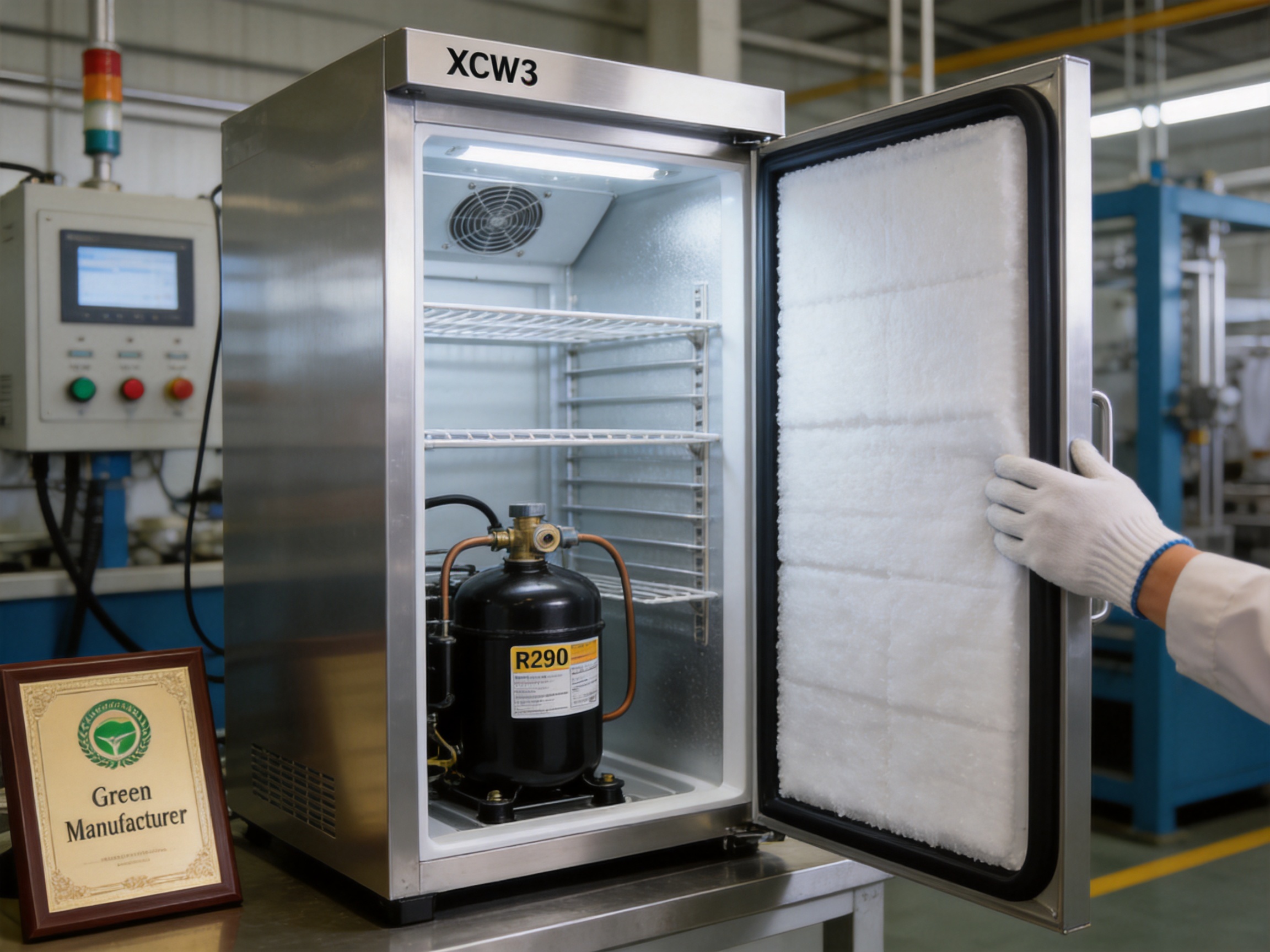
Material selection is another critical step. The manufacturer uses high-quality stainless steel for the interior and exterior, which is corrosion-resistant and easy to clean. The glass doors are made from tempered glass that is both scratch-resistant and energy-efficient, while the door gaskets are made from durable rubber that maintains a tight seal to prevent temperature loss. The cooling components are sourced from reputable suppliers, ensuring long-term reliability.
2. Eco-Friendly Production Practices
The manufacturer is committed to sustainable production practices, aligning with global efforts to reduce carbon emissions. In addition to using R290 refrigerant, the factory uses energy-efficient production lines and recycles 90% of its waste materials. The company also adheres to strict environmental regulations, including the Restriction of Hazardous Substances (RoHS) directive, which prohibits the use of lead, mercury, and other toxic materials in electronic products.
This commitment to sustainability has not gone unnoticed: the manufacturer has received several awards for its eco-friendly practices, including the “Green Manufacturer” award from the Chinese government.
3. Stringent Quality Control
Every unit in the XCW series undergoes rigorous quality control testing before it leaves the factory. This includes:
- Temperature cycling tests: Units are exposed to extreme temperatures to ensure they maintain consistent cooling performance.
- Vibration tests: Units are subjected to simulated shipping conditions to ensure they can withstand the rigors of transport.
- Refrigerant leak tests: Units are checked for leaks using advanced detection equipment to ensure safety and efficiency.
- Functional tests: All components, including the digital temperature controller, doors, and shelves, are tested to ensure they work correctly.
The manufacturer also maintains a comprehensive quality management system (QMS) that is ISO 9001 certified, ensuring that every step of the production process is monitored and controlled.
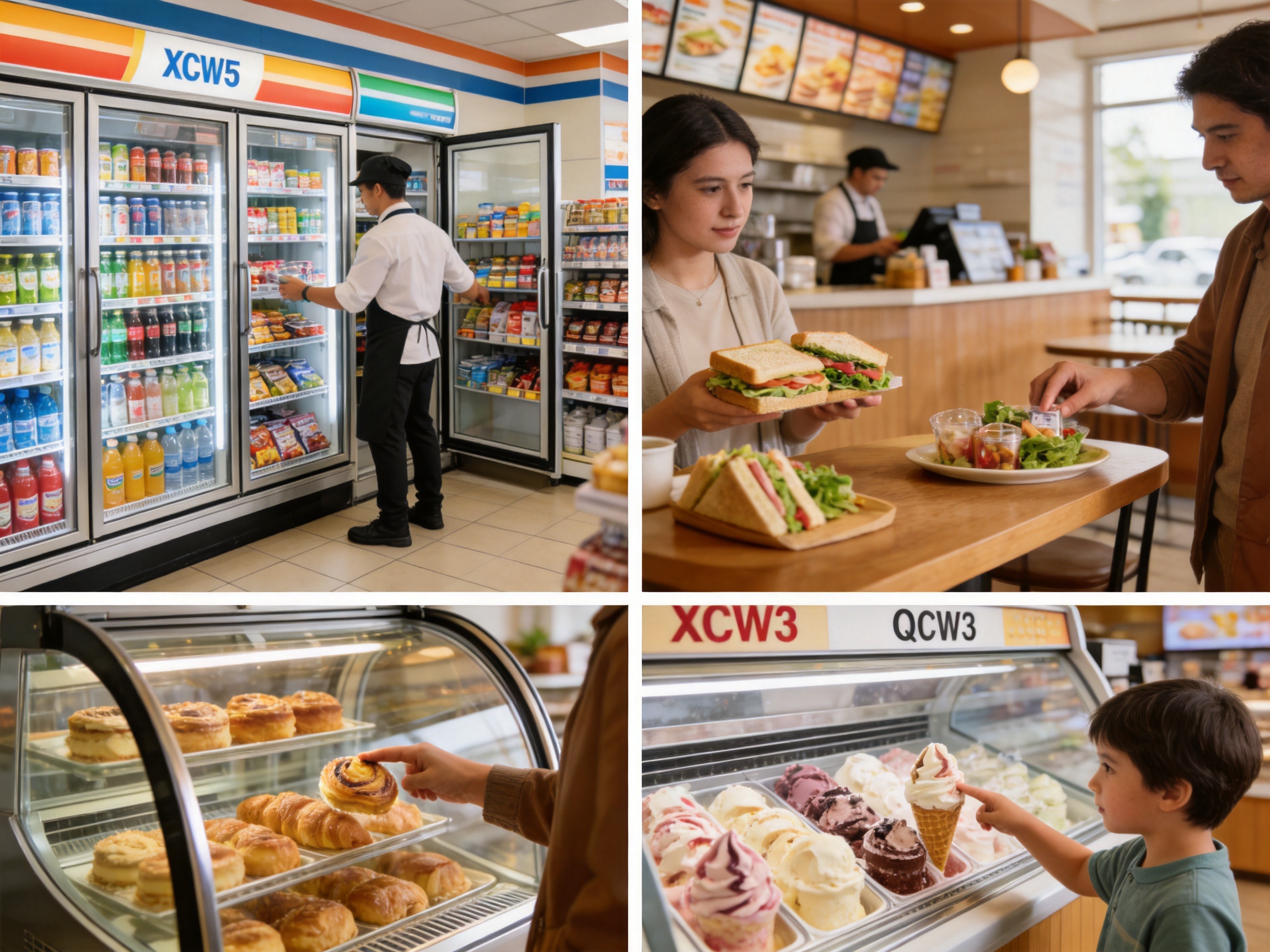
Real-World Applications: Where the XCW Series Shines
The XCW series is versatile enough to be used in a wide range of commercial settings. Below are some of the key applications where it delivers exceptional value:
1. Bakeries and Pastry Shops
Bakeries rely on display refrigerators to keep pastries, cakes, and other perishable items fresh while showcasing them to customers. The XCW series is ideal for this purpose, with its curved glass design that highlights the texture and color of baked goods. The 2–10°C temperature range is perfect for keeping pastries moist and fresh, while the adjustable shelves allow operators to display different sizes of cakes and pastries.
For example, a small bakery in Shanghai uses the XCW3 model to display 20+ pastries on its countertop. The owner reports that the fridge has reduced food waste by 15% due to its consistent cooling performance, and the curved glass has increased impulse purchases by 10%.
2. Convenience Stores
Convenience stores need to display a wide range of chilled products, including drinks, snacks, and ready-to-eat meals. The XCW series offers the flexibility to accommodate these products, with its three size options and adjustable shelves. The front and back sliding doors allow staff to restock quickly without disrupting customers, while the energy-efficient design reduces operational costs.
A convenience store chain in Singapore uses the XCW5 model in its 50+ locations. The chain’s operations manager notes that the fridge’s high capacity has allowed it to reduce the number of restocks per day, while the energy savings have cut the chain’s monthly electricity bill by $2,000.
3. Cafés and Coffee Shops
Cafés often serve chilled items like sandwiches, salads, and cold beverages, which need to be displayed attractively. The XCW series is perfect for this, with its compact size that fits easily on café countertops. The digital temperature controller allows operators to set the exact temperature for different products, while the curved glass design makes the items look more appetizing.
A café in New York City uses the XCW4 model to display sandwiches and salads. The café’s manager says that the fridge’s sleek design complements the café’s modern aesthetic, and the customers love the easy access to chilled items.
4. Quick-Service Restaurants
Quick-service restaurants (QSRs) need to display chilled sides and desserts to customers. The XCW series is ideal for this, with its durable construction that can withstand heavy use. The front sliding doors allow customers to access items quickly, while the back doors allow staff to restock during peak hours.
A QSR chain in Dubai uses the XCW3 model to display desserts like ice cream and frozen yogurt. The chain’s franchise manager reports that the fridge’s consistent cooling performance has reduced the number of melted desserts, and the energy savings have improved the chain’s profit margins.
Frequently Asked Questions (Q&A)
To help operators make informed decisions about the XCW series, we’ve compiled answers to some of the most common questions:
Q: What makes the curved glass design of the XCW series a competitive advantage?
A: The front curved glass minimizes glare and distortion, allowing customers to view products clearly from multiple angles. This enhances product visibility and appeal, driving impulse purchases. The glass is also scratch-resistant and maintains clarity over time, even with frequent cleaning.
Q: How does the R290 refrigerant benefit businesses and the environment?
A: R290 has a GWP of just 3, which is significantly lower than other refrigerants. This reduces the carbon footprint of businesses and ensures compliance with environmental regulations. R290 also offers better energy efficiency, leading to lower operational costs.
Q: Can the XCW series operate in hot climate zones?
A: Yes. The XCW series is rated for Climate Type 6, meaning it can function reliably in ambient temperatures ranging from 16°C to 43°C. This makes it suitable for tropical regions and busy commercial spaces with fluctuating temperatures.
Q: What maintenance is required for the XCW series?
A: Regular maintenance includes cleaning the condenser coils every 3–6 months, checking and replacing door gaskets if worn, and calibrating the digital temperature controller annually. The manufacturer provides a detailed maintenance manual with step-by-step instructions.
Q: What certifications does the XCW series hold?
A: The XCW series has obtained CE, GS, CCC, CB, RoHS, and ETL certifications. These indicate compliance with strict safety, energy efficiency, and environmental standards in key global markets.
Q: How many units fit in a 20GP container?
A: The loading quantity varies by model: XCW3 fits 54 units, XCW4 fits 39 units, and XCW5 fits 36 units in a 20GP container. For a 40HQ container, the quantities are 108, 78, and 75 respectively.
Q: Can the shelves be adjusted?
A: Yes. The XCW series features adjustable shelves that allow operators to customize the interior space to accommodate different product sizes. This flexibility is ideal for businesses that display a wide range of items.
Conclusion: The Future of Compact Commercial Cooling
The Countertop Front Curved Glass Display Refrigerators (XCW-3/4/5 series) represent a significant advancement in compact commercial cooling. With its energy-efficient design, innovative curved glass, and robust performance, it addresses the key pain points of commercial operators—high energy costs, limited space, and the need for attractive product displays. The series is backed by advanced manufacturing processes and rigorous quality control, ensuring reliability and durability in diverse environments.
As the global commercial refrigeration market continues to grow (Grand View Research, 2023), the XCW series is well-positioned to meet the evolving needs of operators. Its combination of sustainability, efficiency, and user-centric design makes it a top choice for businesses looking to enhance their product displays and reduce operational costs.
References
1. International Electrotechnical Commission (IEC). (2022). IEC 60335-2-89: Household and similar electrical appliances – Safety – Part 2-89: Particular requirements for commercial refrigerating appliances and ice-makers. Geneva, Switzerland: IEC.
2. European Committee for Standardization (CEN). (2021). EN 16437: Energy efficiency of commercial refrigeration appliances – Requirements and test methods. Brussels, Belgium: CEN.
3. U.S. Environmental Protection Agency (EPA). (2023). Hydrocarbon Refrigerants: A Guide to Sustainable Commercial Cooling. Washington, D.C.: EPA Office of Air and Radiation.
4. Grand View Research. (2023). Global Commercial Refrigeration Market Size, Share & Trends Analysis Report by Product (Display Refrigerators, Storage Refrigerators), by End-Use (Food & Beverage, Retail, Hospitality), and Segment Forecasts, 2024–2032. San Francisco, CA: Grand View Research, Inc.
5. Food and Agriculture Organization of the United Nations (FAO). (2022). Reducing Food Losses in Retail: The Role of Commercial Refrigeration. Rome, Italy: FAO.

You May Also Like
.jpg?imageView2/2/w/500/h/500/format/jp2/q/100 "Four Sides Glasses Display Cooler")
.jpg?imageView2/2/w/500/h/500/format/jp2/q/100 "White 4-Sided Glass Refrigerated Display Case")
.jpg?imageView2/2/w/500/h/500/format/jp2/q/100 "Refrigerated Display Cake Countertop Four Sides Glasses Display Cooler")
.jpg?imageView2/2/w/500/h/500/format/jp2/q/100 "Four Sides Glasses Display Cooler")

-
- Navigation
- Home
- About Us
- Products
- News
- Contact Us
 East Zone, Guanhaiwei Industrial Park, Cixi City, Ningbo, Zhejiang, China
 +86-574-63668678
 +86-574-63668108
Copyright © Ningbo XiangChi Electrical Co.,Ltd All Rights Reserved.
